
Pu Luong motorbike tour guide 2026: routes, stops, and what to expect
Pu Luong is a nature reserve in the northwest of Thanh Hoa province, roughly 160 km from Hanoi. It sits between two limestone ridges inside the Pu Luong corridor, covering about 17,662 hectares of forest, terraced rice fields, and river valleys.
The Thai and Muong ethnic communities have farmed and lived here for centuries, and that continuity is a large part of what draws visitors who want something beyond a standard highland tour.
This guide covers the practical side of riding through Pu Luong in 2026: when to go, what to see, how long each stop takes, what to budget, and what to pack.
- Check our northwest Vietnam motorbike adventures
- Browse our Ha Giang motorbike tours
- See all Vietnam motorbike tours
When to Ride Pu Luong
The area is good to visit all year round, but four distinct windows shape what you will actually see.
February to April
Mild temperatures and post-Tet quiet define this window. Fruit trees flower across the lower villages, and the fields are being prepared for planting. Roads are generally dry and in good condition after winter.

May to August
Warmer and wetter. Waterfalls run at full capacity, streams are cold enough to be a genuine relief, and the forest is at its densest. Heavy rain can make some unpaved sections slippery, so check local road conditions before riding off the main circuit.
September to October
This is when the terraced fields turn gold before harvest. The two-month window is the most photographed season in Pu Luong, and accommodation books up quickly. If you plan to ride during this period, reserve beds at least three weeks in advance.
November to January
Low cloud and morning mist sit in the valleys until mid-morning. Temperatures can drop to 10 to 12°C at elevation. Crowds thin considerably and the pace of village life slows. A good time for anyone who wants to spend longer in one place without competing for guesthouse space.
The Main Route: Pu Luong to Mai Chau
The standard circuit runs from the Pu Luong Nature Reserve entrance through a series of villages and passes before dropping into the Mai Chau valley. Total riding distance is around 80 to 100 km depending on which side roads you take. Most riders complete it in a full day, though two days is more comfortable if you want time at each stop.
IRTouring runs guided tours on this circuit with route briefings, support vehicles, and pre-arranged accommodation, which is useful if you are unfamiliar with the roads or riding solo for the first time in this region.
Sample Two-Day Itinerary
This is the itinerary IRTouring uses as a base for most two-day Pu Luong departures. Times are approximate and adjust based on group pace and conditions.
Day one
7:00 am — Depart Hanoi or Ninh Binh
11:00 am — Arrive Pu Luong Nature Reserve entrance; ride the valley road through Ban Hieu
1:00 pm — Lunch at a local guesthouse in the village
2:30 pm — Stop at Cham Stream for a break; short walk along the forest track
4:00 pm — Continue to Go Lao Waterfall; 500 m walk from the road to the pool
6:00 pm — Check in at Mai Hich village homestay; dinner with the host family
Day two
7:30 am — Morning walk through Mai Hich village; optional visit to the weekend craft market
9:00 am — Ride to Mo Luong Cave; bring a headlamp
11:00 am — Begin climb to Thung Khe Pass
12:00 pm — Stop at the pass summit for views over the Mai Chau valley
1:00 pm — Descend into Mai Chau; lunch in town
3:00 pm — Depart for Hanoi or Ninh Binh
6:30 pm — Arrive back
Three to five day extensions are available through IRTouring for riders who want to add the Pu Luong river trail or spend an extra night in the Mai Chau valley.
Stops Worth Planning Around
Pu Luong Nature Reserve
The reserve is the starting point and the longest stop for most visitors. The core walking trails pass through Ban Hieu and Ban Kho Muong villages, where you can see traditional stilt houses, rice-processing equipment, and hand-woven textiles. The forest sections between villages have good canopy cover and are walkable without a guide, though hiring a local guide from the village costs around 200,000 to 300,000 VND and adds context you would not get on your own.
Cham Stream
About 15 to 20 minutes by road from the reserve entrance, Cham Stream runs alongside a forested track for roughly 2 km before opening into a wider pool. The water is cold year round. It is a practical rest stop, not a developed attraction, which is why it stays quiet even when the reserve entrance is busy.
Thung Khe Pass
This pass is the high point of the Pu Luong-to-Mai Chau road, sitting at around 1,000 m elevation. The road on both sides has tight switchbacks, and the surface becomes uneven in a few sections after heavy rain. From the top, you can see the flat floor of the Mai Chau valley to the south and the Pu Luong ridgeline to the north. Early morning and late afternoon light are both good here; midday tends to be hazy.
Go Lao Waterfall
Go Lao is a multi-tiered waterfall with a natural pool at its base that is deep enough to swim in during the wet season. The access track from the road is around 500 m on foot. It is one of the less-visited waterfalls in the area because it sits slightly off the main circuit, which means it is usually uncrowded even during peak season.
Mai Hich Village
Mai Hich is a Thai ethnic village in the Muong district, quieter than the better-known White Thai villages closer to Mai Chau town. Visitors can stay in stilt-house guesthouses run by local families, eat meals cooked by the host household, and watch or participate in traditional weaving. The village has a small craft market on weekend mornings.
Mo Luong Cave
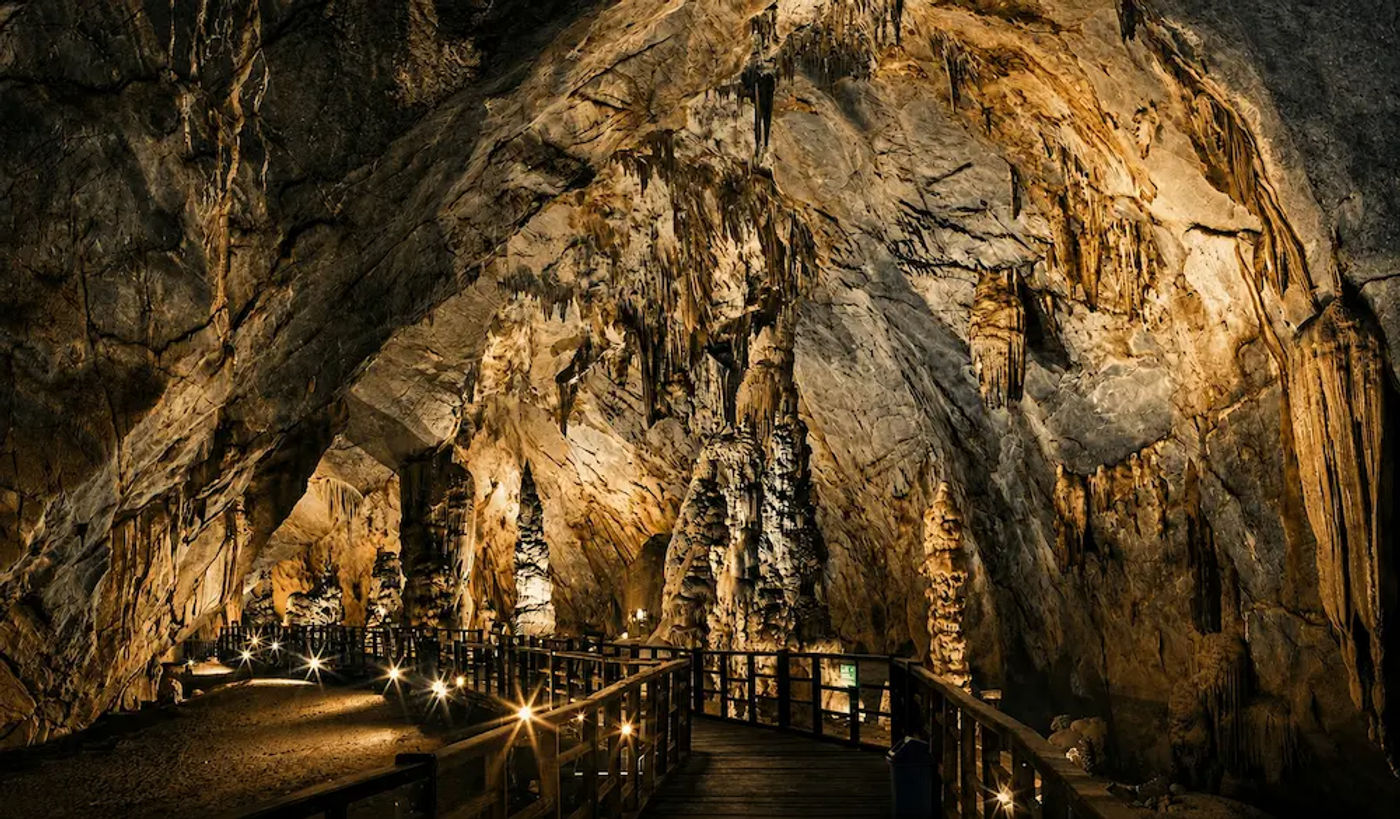
The cave is a limestone system near the Mai Chau border with a main chamber large enough to walk through without ducking. It is not developed with lighting infrastructure like some commercial caves in the region, so bring a headlamp. Entry costs around 30,000 VND. The surrounding hillside has several unmarked trailheads that local guides use for half-day treks.
How Much Does a Pu Luong Motorbike Tour Cost?
Costs vary depending on whether you ride independently or join a guided tour. Here is a realistic breakdown for 2026.
Guided tour with IRTouring: Prices vary by group size, itinerary length, and bike type. Contact IRTouring directly for a current quote. Guided tours include accommodation, most meals, a support vehicle, and a local guide riding with the group, which makes the per-day cost higher than self-riding but removes most of the logistical work.
Bike rental (self-ride): A semi-automatic 110 to 125 cc bike rents for around 150,000 to 200,000 VND per day from Hanoi. Manual adventure bikes (150 to 250 cc) run 350,000 to 600,000 VND per day depending on the model and condition.
Accommodation: Basic homestays in Ban Hieu and Mai Hich cost 150,000 to 250,000 VND per night. Mid-range eco-resorts in the valley range from 800,000 to 1,500,000 VND. Book directly where possible; third-party platforms often add 15 to 20% to the listed price.
Food: Eating at local guesthouses and village restaurants costs 50,000 to 100,000 VND per meal. A full day of food including drinks sits around 200,000 to 300,000 VND per person.
Entrance fees and extras: Mo Luong Cave entry is around 30,000 VND. Local guides in the reserve cost 200,000 to 300,000 VND for a half-day. Petrol for the full circuit runs approximately 100,000 to 150,000 VND.
A realistic two-day self-ride budget including bike rental, accommodation, food, and fuel is around 800,000 to 1,200,000 VND per person, excluding the cost of getting to the starting point.
What to Bring on a Pu Luong Motorbike Tour
Clothing
Long trousers and a long-sleeved layer are useful regardless of season, both for sun protection and for visiting villages where local dress norms lean conservative. A waterproof shell that folds small enough to fit under a seat is worth the space. Closed-toe shoes with grip are necessary if you plan to walk the forest trails or visit the waterfall.
Protective Gear
A properly fitted helmet with chin protection, gloves, and eye protection are the minimum for mountain road riding. IRTouring provides helmets with rental bikes, but if you own your own gear, bring it.
Navigation
Mobile data coverage is inconsistent between Ban Hieu and Thung Khe Pass. Download offline maps of Thanh Hoa and Hoa Binh provinces before you leave Hanoi. A GPS mount for the handlebar is more practical than holding a phone.
Health and Safety Basics
Sunscreen, insect repellent (leeches are present on forest trails during wet season), a basic first aid kit, any personal medication, and at least 1.5 litres of water on the bike at all times. Petrol stations are sparse between villages; fill up whenever the gauge drops below half.
Physical Readiness
The roads include extended sections of switchbacks and occasional rough track. Riders who are not used to mountain road conditions should allow extra time and avoid riding after dark. IRTouring guides ride with the group and set a pace appropriate for the least experienced rider in the party.

Practical Notes for a Motorbike Ride to Pu Luong
Road conditions on the main circuit are generally good after resurfacing work completed in late 2024. The unpaved section near Cham Stream remains rough and can become muddy after three or more hours of rain. Semi-automatic bikes (110 to 125 cc) handle this section without difficulty; larger bikes with low-profile tyres may need more care.
Foreign riders should carry a copy of their passport, visa, and driving licence at all times. Traffic police occasionally set up checkpoints on Highway 6 between Hoa Binh and the Pu Luong turnoff. An international driving permit paired with your home country licence is the standard documentation for self-riding tourists.
Fuel stops are limited between the reserve entrance and Mai Hich. There is a reliable petrol station near the Ban Hieu junction and another in Mai Hich village itself. Fill up at both rather than assuming you will find one in between.
Most mobile carriers lose signal reliability between Ban Hieu and the Thung Khe Pass summit. Tell someone your itinerary before you ride and agree on a check-in time for the evening.
Frequently Asked Questions
Do I need a Vietnamese driving licence to join a Pu Luong motorbike tour?
If you are riding your own bike or a rental independently, Vietnam technically requires a valid local or international driving licence for motorbikes over 50 cc. On guided tours with IRTouring, the legal arrangements vary depending on whether you ride yourself or travel as a passenger on a guide’s bike. Confirm your preferred riding arrangement with IRTouring before booking so you understand what documentation applies to your situation.
How difficult are the roads between Pu Luong and Mai Chau?
The main paved circuit is manageable for riders with basic mountain road experience. The switchbacks on Thung Khe Pass are tight but not technical. The short unpaved section near Cham Stream is the roughest part of the route and can be muddy after rain, but a standard 110 to 125 cc semi-automatic bike handles it without difficulty. If you have not ridden mountain roads before, riding with an IRTouring guide for the first day builds confidence quickly.
What is the best way to get from Hanoi to Pu Luong?
Most riders either self-ride from Hanoi (around 3.5 to 4 hours via Highway 6 through Hoa Binh) or join an IRTouring group that departs from Hanoi or Ninh Binh. Limousine minibus services also run from Hanoi’s My Dinh bus station to the Quan Hoa area near Pu Luong, which is an option for anyone who wants to travel light and rent locally. The road via Hoa Binh and Mai Chau is more scenic than the direct Thanh Hoa city route and is the one most guided tours use.
How many days should I plan for a Pu Luong motorbike tour?
Two days covers the main Pu Luong-to-Mai Chau circuit with a single overnight stop. Three days lets you spend a full morning walking the reserve trails and a second evening in Mai Hich village without feeling rushed. Four to five days is a realistic window if you want to combine the route with Mo Luong Cave, the Pu Luong river trail, or an extension into the wider Mai Chau valley. IRTouring offers itineraries across all of these lengths.
Bottom Line
Pu Luong is one of the few places in northern Vietnam where the roads, scenery, and village life still feel genuinely unhurried. The route from the nature reserve through to Mai Chau covers enough ground to feel like a real journey without being exhausting, and the stops along the way are varied enough to hold interest for several days. If you want a structured ride with local knowledge built in, IRTouring runs guided tours on this circuit year round with flexible itinerary lengths to suit different schedules. Reach them directly to discuss dates, group size, and which sections of the route matter most to you.
About the Author
Hamid is a rider and tour guide based in Hanoi, specialising in group tours across the northwest of Vietnam. He has led international riders through Ha Giang, Pu Luong, and the Mai Chau circuit for several years and runs adventure tours with IRTouring.