Ho Chi Minh Trail Motorbike Tour (Hanoi to Ho Chi Minh City)

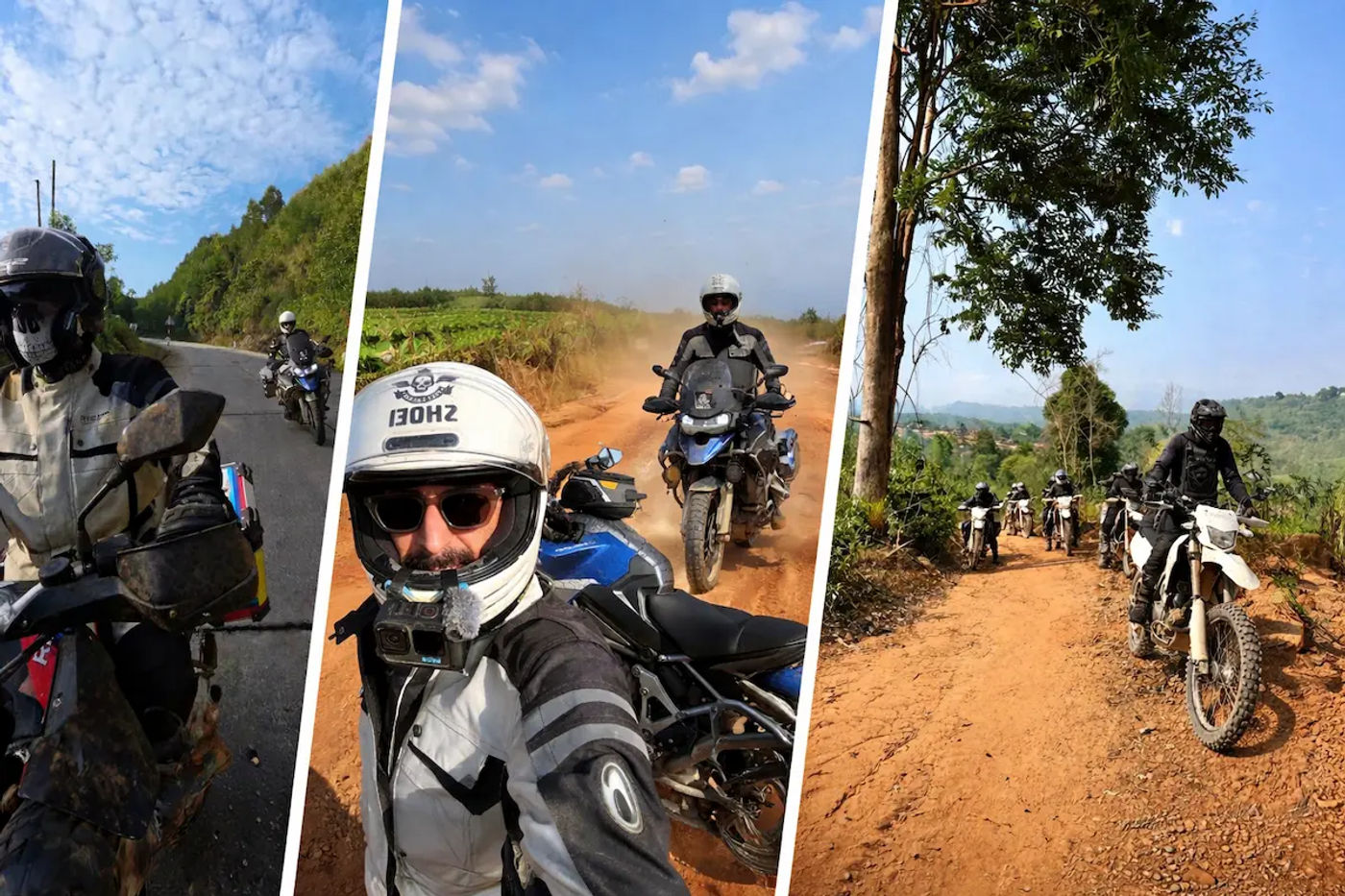
This is the full ride. Hanoi in the north, Ho Chi Minh City in the south, 12 to 15 days on the road connecting them. The route follows the Ho Chi Minh Trail through the mountains and jungle of central Vietnam before dropping to the coast, crossing through Hoi An, pushing south through the central highlands, and finishing in the city the country spent decades calling Saigon. No two days look the same.

Mountain dirt trail gives way to coastal highway, which gives way to highland plateau, which gives way to the flat southern lowlands. Built-in rest days at Hoi An and Nha Trang mean you are not just covering distance, you have time to stop, swim, eat well, and get your legs back before the next section.

The Route at a Glance

  • Start: Hanoi
  • Finish: Ho Chi Minh City
  • Duration: 12 days (core) or 15 days (extended with additional rest and highland stops)
  • Total distance: approximately 1,800 to 2,100 km depending on variant
  • Terrain: dirt trail sections, sealed mountain road, coastal highway, central highland plateau
  • Rest days: 2 built in Hoi An and Nha Trang
  • Skill level: Intermediate
  • Group size: private or small riding groups

This is not a race from north to south. The daily distances are managed to keep riding enjoyable rather than exhausting. On trail days, distances drop to reflect the slower pace on dirt. On coastal and highway days, distances are longer but the riding is easier. The two rest days are genuinely free — no guided activities unless you want them, no schedule.

Why the Ho Chi Minh Trail

The original trail was not a single road. It was a network of paths, supply routes, jungle tracks, river crossings, and rerouted alignments that stretched from North Vietnam through eastern Laos and Cambodia to supply forces in the south during the American War.

At its peak the network covered over 20,000 kilometers. Sections were bombed continuously from 1964 to 1973 , an estimated 3 million tons of ordnance dropped on the trail system and the regions it passed through.

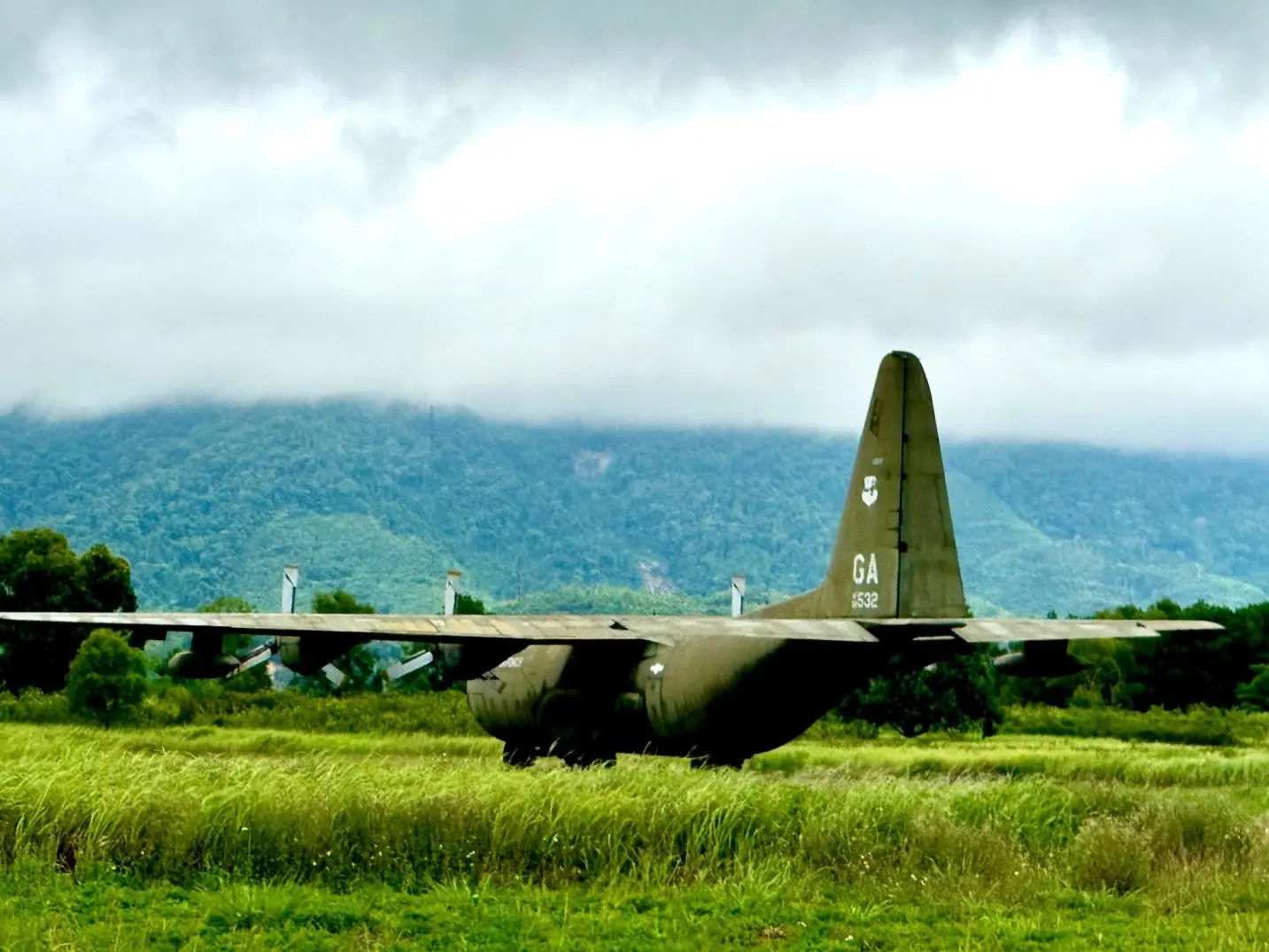
What remains today is a combination of sealed roads built over former trail alignments, original dirt tracks that have never been paved, and mountain passes where the history is physically present in the landscape. Bomb craters are still visible from the road in parts of Quang Binh and Quang Tri. Sections of the original trail surface survive in the forest above the Mu Gia Pass. The wartime engineering, tunnels, bunker systems, river ford markers — sits alongside the riding line rather than behind museum glass.

Riding the trail is not a history tour with motorcycles as the vehicle. The trail is the route. The riding and the history occupy the same ground.

The Full Route — Day by Day

Day 1 — Hanoi Departure

Gear check, bike handover, route briefing, and a short shakedown ride out of the city to confirm everything is working and everyone is comfortable on their bike before the serious riding begins. Overnight in Hanoi or first stop south of the city depending on group preference. This day is intentionally easy — the route ahead does not need you arriving already tired.

Day 2 — Hanoi to Ninh Binh, or Mai Chau

The first full riding day heads south through the Red River Delta lowlands to Ninh Binh — limestone karst rising out of flat paddy fields, temples carved into cliff faces, and the ancient capital of Hoa Lu. The riding here is flat and manageable, the landscape dramatic enough to justify the pace. Ninh Binh is the last easy overnight before the mountains begin. Approximately 100 kilometers, 3 hours riding.

Day 3 — Ninh Binh to Phong Nha

A longer day south through Thanh Hoa and Nghe An provinces to Phong Nha in Quang Binh. The road transitions from delta flatlands to rolling coastal plain as you push deeper into central Vietnam. Phong Nha sits inside a UNESCO-listed cave system — the largest cave network in the world by some measurements, with river passages that go dark for kilometers underground. The town around it is small, the guesthouses good, and the roads in the national park surrounding the caves are some of the quietest sealed roads you will find anywhere in Vietnam. Approximately 320 kilometers, 5 to 6 hours.

Day 4 — Phong Nha and the Trail Begins

The first dedicated trail day. The roads north and west of Phong Nha enter the Phong Nha-Ke Bang National Park buffer zone and connect to the original Ho Chi Minh Trail alignment through the jungle above the karst. Bomb craters are visible from the road on the stretch approaching the Mu Gia Pass. The pass itself crosses into Laos at 461 meters — the road on the Vietnamese side runs through dense forest on a sealed surface with almost no traffic. This day covers shorter distance but more history per kilometer than any other day on the route. Approximately 120 to 150 kilometers.

Day 5 — The DMZ and Quang Tri

The Demilitarized Zone between North and South Vietnam ran along the 17th Parallel and the Ben Hai River. The road through the DMZ today is sealed and quiet, passing through what was once the most heavily bombed corridor of land in the history of aerial warfare. Quang Tri town, almost completely destroyed during the 1972 Easter Offensive, has been rebuilt but the Quang Tri Citadel ruins and the surrounding memorial landscape are a full stop on the route. The road continues south to Dong Ha, where the Ho Chi Minh Highway branches west into the mountains. Overnight Dong Ha or Hue approach. Approximately 160 kilometers.

Day 6 — Ho Chi Minh Highway West — Mountain Trail Section

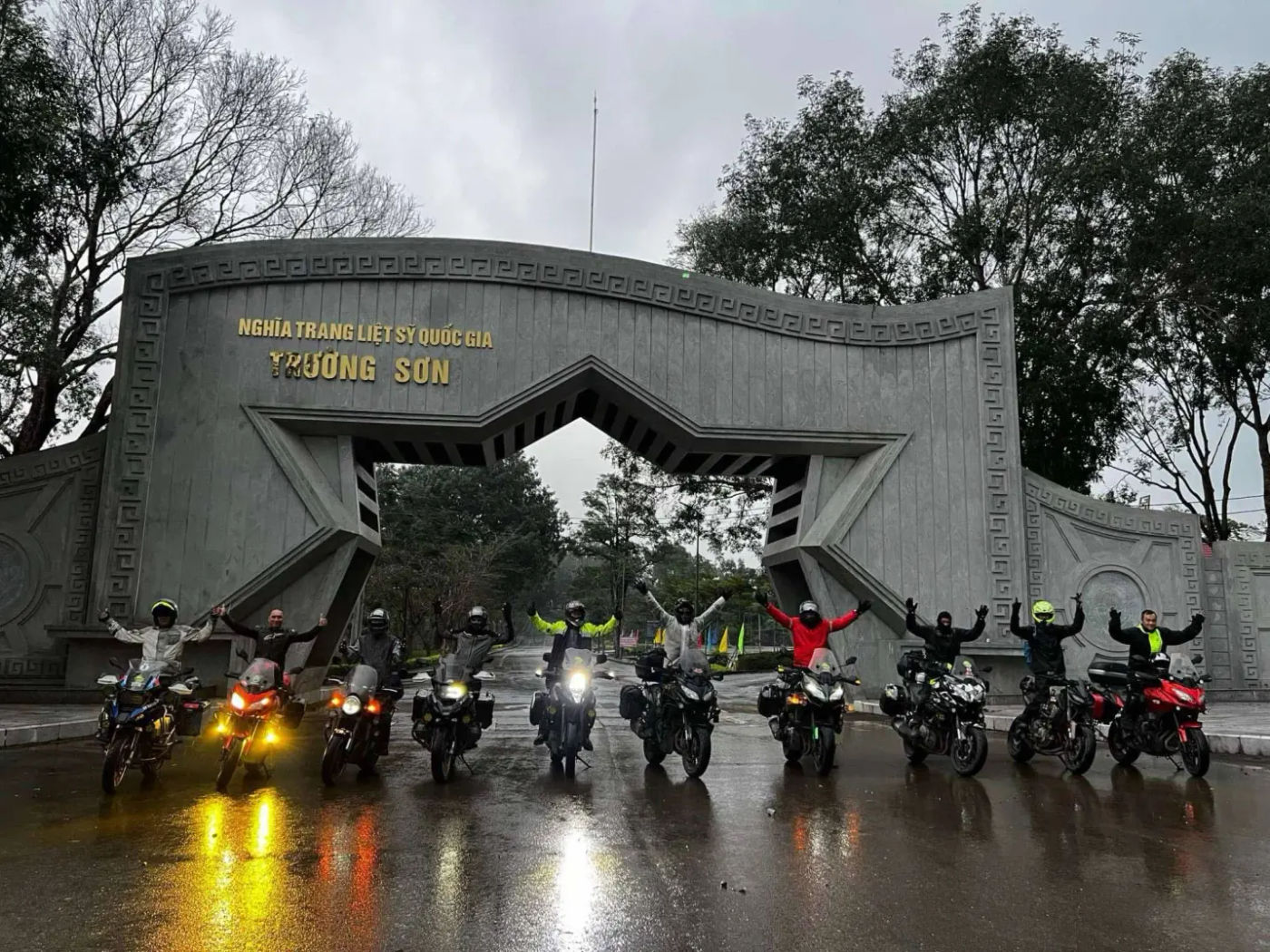
The section most riders come specifically to ride. West of Dong Ha the Ho Chi Minh Highway climbs into the Truong Son mountain range and runs along the Laos border through primary forest. This stretch carries a mix of sealed road and original trail surface — laterite dirt track, stone path, creek crossings on concrete fords. The riding is technical in places and the forest is dense enough that midday light barely reaches the road surface. No significant towns, no tourist infrastructure, one of the best riding days in central Vietnam. Approximately 180 kilometers, 6 to 7 hours.

Day 7 — Hue

Rest day in Hue. The former imperial capital sits on the Perfume River and carries more concentrated history per square kilometer than almost anywhere in Vietnam — the Imperial Citadel, the royal tombs in the hills south of the city, the Thien Mu pagoda on the riverbank. This day is genuinely free. Riders who want to explore ride out to the tombs. Riders who want to eat and do nothing sit by the river and do that. No schedule.

Day 8 — Hue to Hoi An via Hai Van Pass

The Hai Van Pass sits between Hue and Da Nang at 496 meters above sea level, crossing a mountain spur that juts into the South China Sea and historically divided the climate zones of central Vietnam. The road over the pass is the old highway — narrow, spectacular, with views of Da Nang Bay on the southern descent. The new tunnel bypasses it for trucks and buses. We ride the old road. Da Nang sits at the bottom and Hoi An is 30 kilometers south — a UNESCO-listed trading port town with good food, tailors, and streets narrow enough that the motorcycles park outside the old quarter. Approximately 130 kilometers, 3 to 4 hours riding.

Day 9 — Hoi An Rest Day

Free day in Hoi An. The town has beaches 5 kilometers east, the old quarter for walking, the best tailor market in Vietnam if anyone needs riding gear adjusted, and enough restaurants to eat somewhere different at every meal for a week. This rest day lands at roughly the halfway point of the trip, exactly when the legs need a break and the mind needs a day without a helmet on.

Day 10 — Hoi An to Kon Tum via the Central Highlands Entry

The route leaves the coast and climbs west into the central highlands through the Hai Van range and the passes above Da Nang. The central highlands sit at 500 to 1,000 meters — cooler than the coast, less humid, with a riding character completely different from the trail sections and the coastal highway. Kon Tum is a highland town with a strong Bahnar ethnic minority presence, French colonial church architecture, and roads out of town that lead into the surrounding hills and villages. Approximately 200 kilometers, 4 to 5 hours.

Day 11 — Kon Tum to Buon Ma Thuot through the Highlands

The central highlands plateau run south from Kon Tum through Gia Lai province to Buon Ma Thuot — Vietnam’s coffee capital, sitting at 536 meters in the middle of the country’s largest coffee-growing region. The road runs through rubber and coffee plantations, ethnic minority villages, and highland forest. This is the quietest section of the whole route for traffic — wide roads, long sight lines, and almost nothing coming the other way. Approximately 200 kilometers, 4 hours.

Day 12 — Buon Ma Thuot to Nha Trang via the Coast Descent

The road east from Buon Ma Thuot drops from the highlands plateau to the coast in a sustained descent through the mountains above Ninh Hoa. The temperature rises 10 degrees in 60 kilometers. Nha Trang appears at the bottom — a beach city on a wide bay with clear water and the kind of seafood that justifies arriving by lunchtime. Afternoon free. Approximately 160 kilometers, 3 to 4 hours.

Day 13 — Nha Trang Rest Day

Free day on the coast. Nha Trang has the best beach on the route, island boat trips, and enough of a town outside the tourist strip to spend a full day without feeling like you are stuck in a resort. This is the second and final built-in rest before the southern push to finish.

Day 14 — Nha Trang to Mui Ne or Da Lat Option

Two variants for this day. The coast road south from Nha Trang to Mui Ne runs through Phan Rang and Phan Thiet — dry coastal plain, fishing villages, some of the windiest coastline in Vietnam. Mui Ne is a kite-surfing town with sand dunes and a long beach strip. The Da Lat option turns inland and climbs back to the highlands — Da Lat sits at 1,500 meters, keeps French colonial architecture, pine forest, and temperatures cold enough for a jacket at night. Both work. Groups decide based on what they want for the final night before the finish. Approximately 200 to 250 kilometers either way.

Day 15 — Final Ride into Ho Chi Minh City

The last riding day drops from either Mui Ne or Da Lat to Ho Chi Minh City. The Da Lat descent via Highway 20 is the better road — a long winding drop from 1,500 meters to the lowlands with views over the southern highlands. The flat run into the city from the south is fast and direct. Ho Chi Minh City by early afternoon, leaving the rest of the day for the group to sort onward travel, celebrate, or sleep. Approximately 200 to 300 kilometers depending on starting point.

Terrain Breakdown

This route covers more terrain variety than any other tour we run.

Days 1 to 3 are flat to rolling , delta lowlands and coastal plain. No technical demands, good for settling into the pace.

Days 4 to 6 are the trail section, a mix of sealed mountain road and original dirt track. Laterite surface, creek crossings on concrete fords, some technical descents in the forest above Phong Nha. This is the section that requires the most attention and rewards the most focused riding.

Days 7 to 9 cover the Hai Van Pass and coastal riding, sealed, spectacular, manageable at any intermediate level.

Days 10 to 12 are the central highlands, sealed plateau roads, long distances, light traffic. The easiest riding of the trip physically but the longest daily distances.

Days 13 to 15 mix coast road and the Da Lat descent, sealed throughout, varied in character.

Riders do not need offroad experience to complete this tour. The dirt trail sections are rideable by any intermediate-level rider who is comfortable on a loaded bike on unpaved surfaces. They are not technical single trail. If you have ridden on gravel or unpaved road before, you will manage them without difficulty.

Skill Level

Rated: Intermediate

The Ho Chi Minh Trail tour is not the hardest route we run, but it is the longest. Fifteen days of consecutive riding requires physical endurance beyond what most shorter tours demand. The combination of trail sections, mountain passes, coastal highway, and highland plateau means you need to be adaptable, the riding character changes significantly from section to section and the bike setup that feels right on dirt is different from what works on a long coastal highway day.

Suitable for riders who have multi-day touring experience, are comfortable on a manual motorcycle in variable conditions, and can manage a loaded bike on unpaved surfaces. Not suitable for complete beginners or riders who have only ridden in cities or flat terrain.

If you are new to motorbike touring in Southeast Asia and this route appeals to you, do the North Vietnam Circuit or Ha Giang Loop first. Come back for this one once you know how your body handles consecutive riding days in this climate.

The Bikes

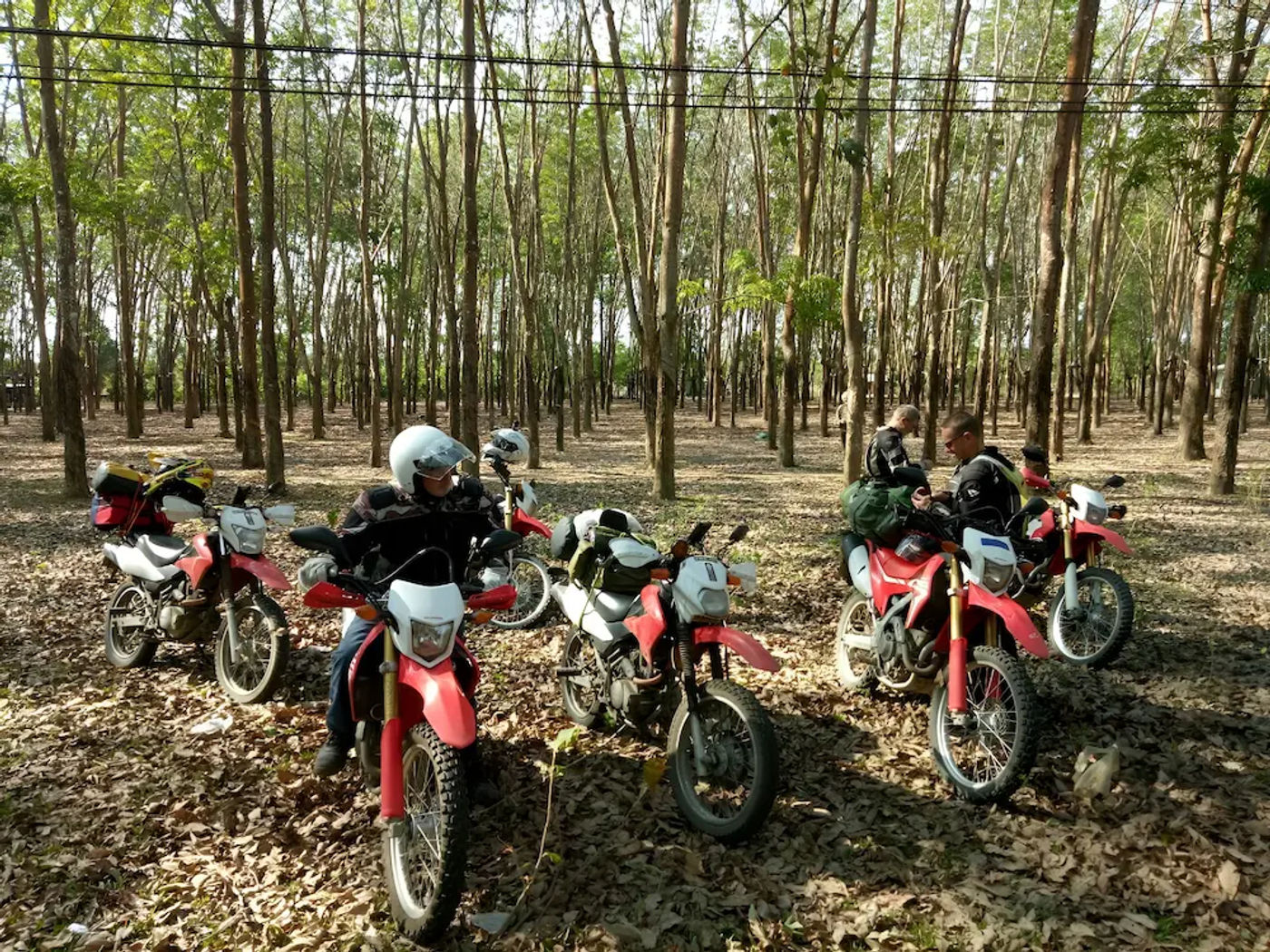
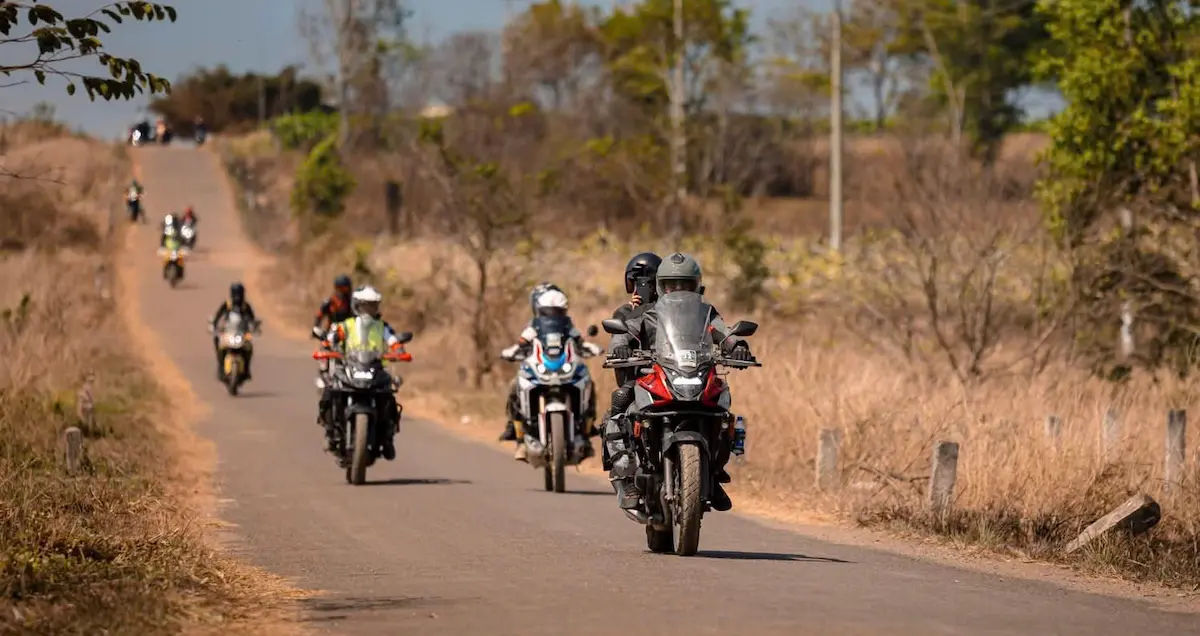
Trail sections and mountain passes run on Honda XR and or CRF as well as the BMW GS, or the lightweight ADV, the CB500x. This bike handles the dirt sections, the pass climbs, and the long highway days without needing to change machines mid-route. The CRF 300L is light enough to manage on technical sections, has enough power for sustained highway riding, and is mechanically straightforward enough to fix roadside if something goes wrong in a remote area.

Riders who prefer a more road-biased setup for the coastal and highland sections can request the Royal Enfield Himalayan 450, which performs well on the sealed sections but requires more effort on the dirt trail days. This option suits riders with offroad experience who know how to manage a heavier bike on loose surfaces.

All bikes carry a full toolkit and first aid kit. Sweep rider carries spare levers, cables, filters, and a basic parts kit.

What Is Included

Included: guide fee, sweep rider, motorcycle rental for the full duration, fuel on all riding days, accommodation throughout, breakfast daily, national park entry fees, and all route permits.

Not included: international flights, Vietnam visa, personal travel insurance with motorcycle coverage, lunches, dinners, and personal expenses. The rest days in Hoi An and Nha Trang are genuinely free days, meals are your own to choose, which is how it should be in two of the best eating towns in Vietnam.

Travel insurance covering motorcycle riding is mandatory. Carry proof of coverage on the road.

Best Time to Ride the Ho Chi Minh Trail

The route crosses multiple climate zones, which means there is no single perfect month, but there is a reliable window.

February through April is the strongest period for the full route. Northern Vietnam and the central highlands are dry and clear. The coast between Da Nang and Nha Trang is in its dry season. Temperatures are warm without being punishing. This is the window most riders target.

October and November work for the southern two-thirds of the route but central Vietnam, particularly Hue, the DMZ, and Quang Binh, enters its rainy season from September through December. The trail sections in this period are rideable but wet, and the Hai Van Pass carries low cloud and limited visibility. Possible, not ideal.

May through September covers the dry season in the south and central highlands but brings heat and increasing humidity in Hanoi and the north. Manageable but the first three days are hot.

Contact us if your available dates fall outside the February to April window. We will give you an honest read on what conditions to expect on your specific dates rather than a generic seasonal summary.

Frequently Asked Questions

Can I start from the south and ride north instead?

Yes. The reverse route — Ho Chi Minh City to Hanoi — runs on the same itinerary in reverse order. Some riders prefer this because it puts the mountain trail sections at the end of the trip when riding fitness is highest rather than in the middle. The southern start also works well for riders flying into Ho Chi Minh City rather than Hanoi. Contact us to check reverse-direction departure dates.

Is the Ho Chi Minh Trail actually rideable or is it all paved highway now?

Sections of the original trail survive as rideable dirt track, particularly in the forest above Phong Nha and on the stretch west of Dong Ha through the Truong Son range.

The Ho Chi Minh Highway, the sealed road built partly over the trail alignment, carries most of the route’s central Vietnam section. This tour uses both. The dirt sections are real trail riding, not a short token detour off the main road. They make up roughly 15 to 20 percent of the total route distance.

How does this tour connect to a Laos extension?

The route passes close to two Laos border crossings — the Mu Gia Pass road connects to the Nam Phao crossing into Laos, and the trail section west of Dong Ha runs within 30 kilometers of the Cha Lo border. Riders who want to extend into Laos rather than continuing south to Ho Chi Minh City can transfer to the Vietnam Laos Motorbike Tour at either point. Contact us to arrange a combined itinerary.

What happens if I need to skip a day due to illness or injury?

Rest days in Hoi An and Nha Trang are built into the schedule specifically to provide buffer. If a rider needs to sit out a day outside of the planned rest stops, we arrange transport for the rider and luggage to the next overnight point while the rest of the group continues riding. We have done this enough times to handle it without disrupting the group’s route.

Are there ATMs and phone signal along the route?

ATMs are available in every major town on the route — Ninh Binh, Phong Nha, Dong Ha, Hue, Da Nang, Hoi An, Kon Tum, Buon Ma Thuot, Nha Trang. Signal drops on the trail section west of Dong Ha and in parts of the national park around Phong Nha. Viettel has the widest rural coverage in central Vietnam. Download offline maps before leaving Hanoi.

Book the Ho Chi Minh Trail Tour

Group departures run February through April. Private bookings available year-round. To check dates, ask about the reverse-direction option, or discuss a combined Vietnam and Laos itinerary, contact us directly.
We respond within 24 hours.

Scroll to Top