
Rivers in Vietnam: A Guide to Major Waterways
Vietnam has more than 2,300 rivers running through mountain passes, farming plains, old towns, border regions, and coastal cities. Some rivers carry fishing boats and market traffic from dawn. Others cut through limestone canyons or slide past old temples and war sites.
The country changes fast once you leave the highways. In Ha Giang, rivers sit deep between rock walls and fog. Down south, the Mekong spreads across flat land where homes, boats, and floating markets all sit on the water. In Hue and Hoi An, rivers slow down and shape the rhythm of the towns around them.
A lot of visitors rush between Hanoi, Da Nang, and Ho Chi Minh City without stopping long enough near the rivers themselves. That’s a mistake. Some of the strongest memories in Vietnam happen on small boats, riverside roads, and quiet docks after sunset.
- Check out Private Vietnam Tours
The Rivers at a Glance
Mekong River • Nho Que River • Perfume River • Ngo Dong River • Han River • Hoai River • Srepok River • Son River • Ben Hai River • Red River • Saigon River • Lam River
Vietnam’s river system stretches almost 42,000 kilometres in total. The north holds steep valleys and fast mountain water. Central Vietnam mixes rivers with old imperial towns and coastal cities. The south opens into wide delta country where rivers become part of daily life.
- Check this out: The Ha Giang Loop motorbike tours
Some rivers are known for scenery. Others matter because of history, farming, or trade. A few carry all of it at once.
12 Rivers in Vietnam Worth Seeing
1. Mekong River
The Mekong enters Vietnam after passing through China, Myanmar, Laos, Thailand, and Cambodia. Once it reaches the south, the river spreads into the Mekong Delta through a network of channels and estuaries.
People here live close to the water. Boats sell fruit, coffee, noodles, and fuel before sunrise. Wooden houses stand beside narrow canals lined with coconut palms.
Cai Rang floating market in Can Tho is still one of the best places to watch river trade early in the morning. Long-tail boats move between larger cargo boats while vendors cook breakfast directly on the water.
The dry season from November to February is easier for travel. The weather stays cooler and boat conditions are calmer.
Check these routes up:
- 8 days Dien Bien Phu motorbike tour
- 10 days motorbike holiday across Northern Vietnam
- 14 days northern Vietnam & Laos motorbike tour
2. Nho Que River
Nho Que River sits below Ma Pi Leng Pass in Ha Giang Province near the Chinese border. The water runs through Tu San Canyon between steep grey cliffs that rise almost straight upward.
From the road above, the river looks narrow enough to touch. Once you get down to the water level, the scale changes completely. The canyon walls block most of the noise except the boat engine and wind moving through the rocks.
Most travellers stop here during the Ha Giang Loop. Boat rides through the canyon usually start near Meo Vac.
The clearest skies usually come in October and November after the rainy season ends.
3. Perfume River
The Perfume River runs through Hue. Locals call it the Huong River. It passes old pagodas, royal tombs, gardens, and small riverside villages before reaching the city centre.
Hue moves slower than Hanoi or Saigon. The river matches that pace. Dragon boats drift along the water at night while traditional Hue folk songs play for passengers onboard.
Thien Mu Pagoda sits on a hill overlooking the river about four kilometres from the city centre. Early morning is quieter before tour groups arrive.
A late afternoon boat ride works best here. The light softens across the water and the city starts to glow once the sun drops.
4. Ngo Dong River
Ngo Dong River cuts through Tam Coc in Ninh Binh Province. Rowboats carry visitors between limestone cliffs, caves, and rice fields.
The boats move slowly enough that you hear paddles in the water and birds in the fields nearby. Local rowers often steer with their feet instead of their hands.
The river changes colour through the year. During rice season in late May and early June, both sides turn bright yellow.
Tam Coc gets crowded by midday. Early morning trips are calmer and cooler.
5. Han River
The Han River runs through Da Nang and splits the city into two sides. During the day, the river feels open and quiet compared to the traffic nearby. At night, the bridges light up and the waterfront fills with locals walking along the promenade.
Dragon Bridge is the main landmark. Every Saturday and Sunday night, the bridge sprays fire and water from the dragon head while people gather along both riverbanks.
The riverside road near Tran Thi Ly Bridge is good for evening walks once the heat drops.
6. Hoai River
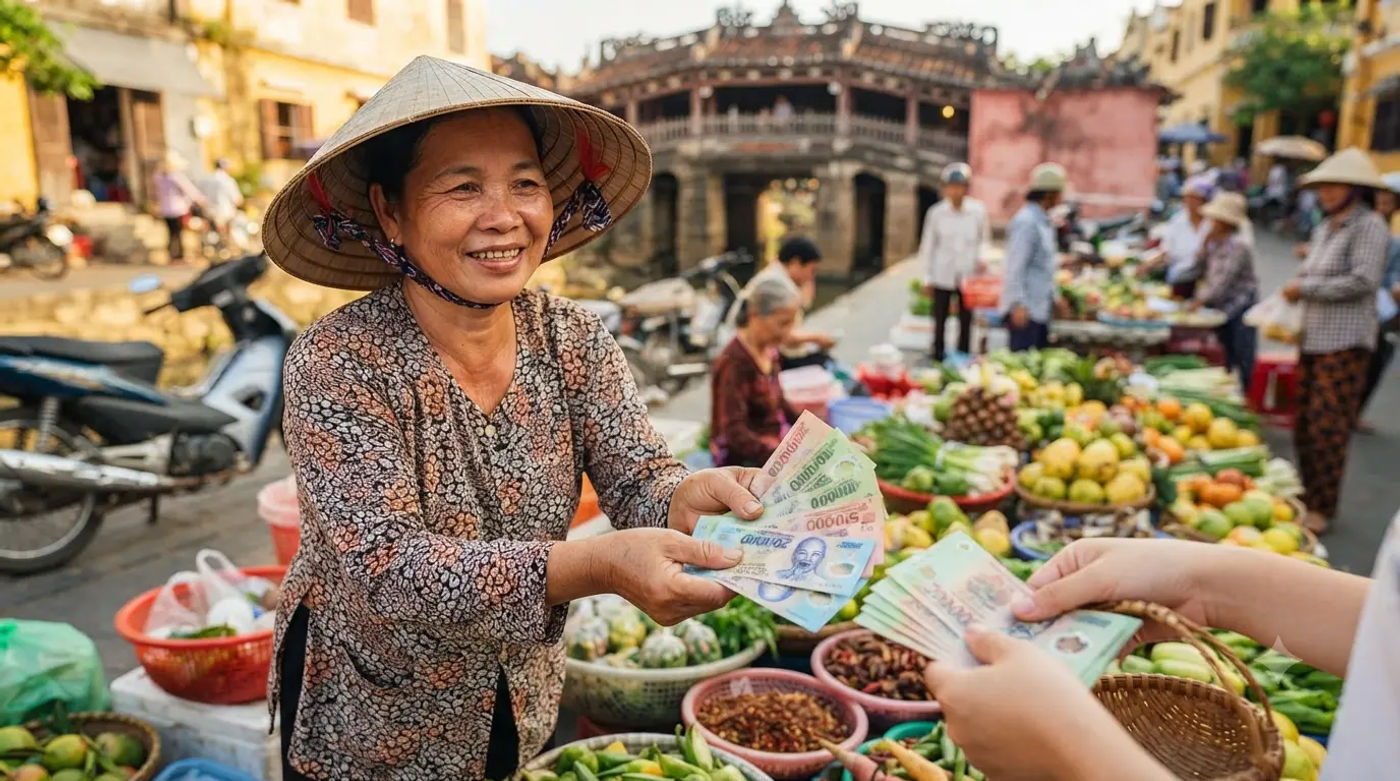
Hoai River flows through Hoi An Ancient Town. Lantern light reflects across the water after sunset while wooden boats move between the bridges.
The river used to sit at the centre of Hoi An’s trading port centuries ago. Japanese, Chinese, and European merchants once passed through here carrying silk, ceramics, tea, and spices.
At night, small candle lanterns float downstream while street food stalls open along the riverbanks. Cao Lau noodles and grilled seafood are easy to find nearby.
The old town becomes busiest after dark, but the river itself still feels calm once you step onto a boat.
7. Srepok River
Srepok River flows through the Central Highlands before crossing into Cambodia. The river area is known for waterfalls, forest roads, and red volcanic soil.
Dray Nur and Dray Sap waterfalls sit along the river system and pull in most visitors. During rainy season, the water becomes loud enough to hear from far down the road.
The nearby forests around Yok Don National Park still hold elephants, wild birds, and old hardwood trees.
Road conditions improve during the dry season between December and April.
8. Son River
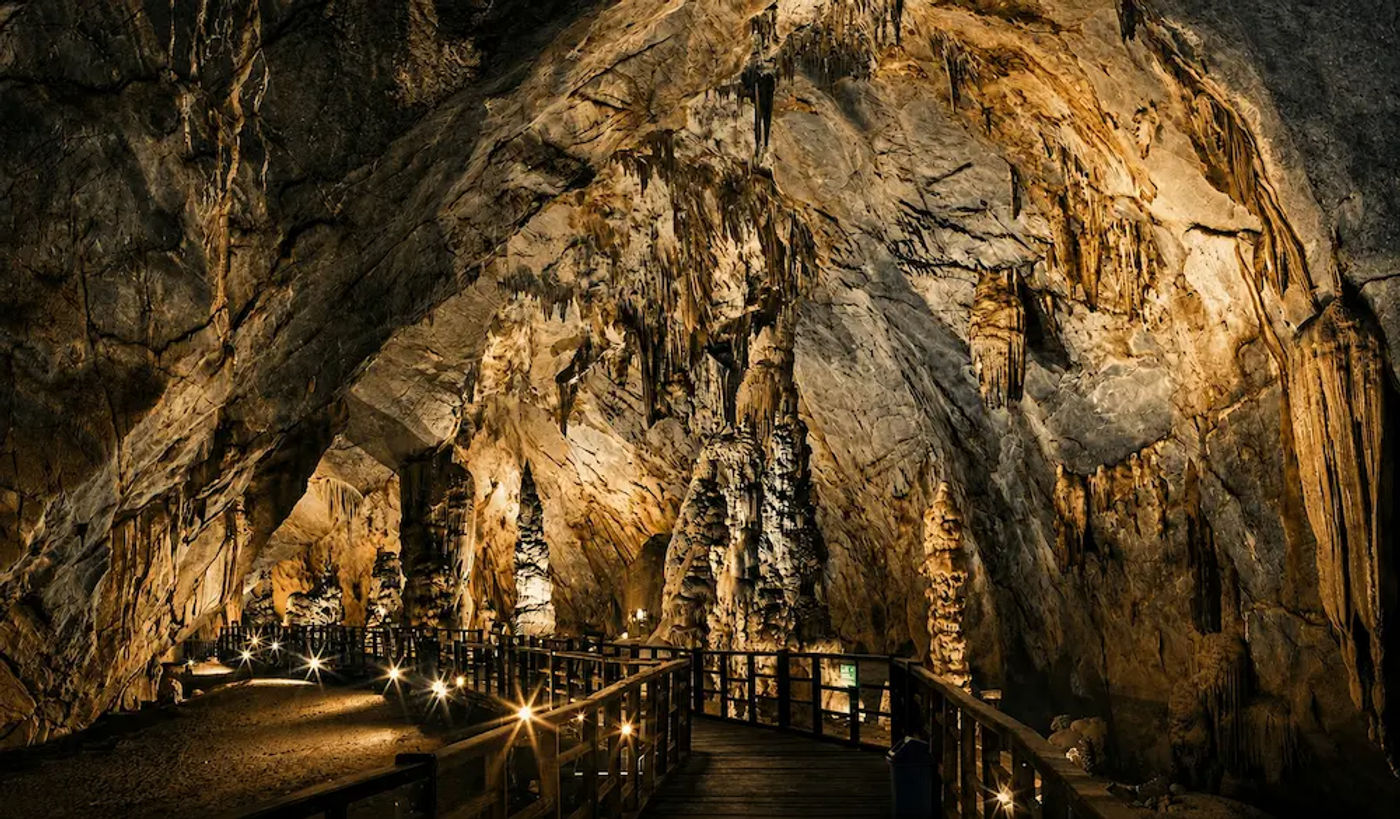
Son River leads directly toward Phong Nha Cave in Quang Binh Province. Boats travel upriver before entering the cave through a low opening beneath limestone cliffs.
The water often turns dark green depending on the weather and light. Villages along the banks stay quiet through most of the day except for fishing traffic.
Phong Nha Ke Bang National Park surrounds the river area with jungle, cave systems, and mountain roads.
Morning boat rides usually avoid the heavier tour traffic.
9. Ben Hai River
Ben Hai River once divided North and South Vietnam during the war. Hien Luong Bridge crossing the river became one of the most symbolic border points in the country between 1954 and 1975.
The bridge still stands today painted in two colours. One side blue. One side yellow.
The area is peaceful now, though museums and memorial sites nearby explain the history in detail.
Travellers often stop here while driving between Hue and Phong Nha.
10. Red River
The Red River flows through northern Vietnam and crosses Hanoi before reaching the Gulf of Tonkin. The river carries heavy sediment that helped build the farming land around the Red River Delta.
Long Bien Bridge stretches across the river in Hanoi. Built during the French colonial period, the bridge still carries trains, scooters, bicycles, and pedestrians every day.
Small farming communities still operate beside the riverbanks close to the capital.
Sunset works best here, especially from the middle sections of Long Bien Bridge.
11. Saigon River
Saigon River runs through Ho Chi Minh City beside glass towers, old apartment blocks, cargo ports, and riverside parks.
Water buses now move between districts while dinner cruises head out after sunset. The skyline reflects across the water once the city lights come on.
Bach Dang Wharf is one of the easiest places to start exploring the riverfront.
The contrast between old river trade and modern towers stands out more here than anywhere else in Vietnam.
12. Lam River
Lam River flows through Nghe An and Ha Tinh provinces in central Vietnam. The river sits close to old villages, farming land, and traditional folk music communities.
This part of Vietnam receives fewer foreign visitors compared to places like Ha Long Bay or Hoi An. Life near the river still follows local routines without much tourism around it.
Boat trips here feel slower and quieter than the larger rivers further south.
Nghe folk songs are still performed in some riverside communities during festivals and local gatherings.
Best Time to Visit Vietnam’s Rivers
Northern rivers like Nho Que and Ngo Dong are best between September and November when skies clear after summer rain.
Central Vietnam rivers around Hue, Da Nang, and Hoi An stay dry from February through August, though temperatures rise hard during June and July.
The Mekong Delta works well between November and February when humidity drops and river travel feels easier.
Heavy rain between September and November can flood parts of central Vietnam, especially near Hue and Quang Binh.
What to Know Before You Go
Boat tours on smaller rivers usually operate early in the morning and late afternoon. Midday heat can get rough, especially in the Mekong Delta and central coast.
Cash still matters in smaller river towns. Some docks and local boat operators do not take cards.
If you ride a motorbike near mountain rivers like Nho Que or Srepok, check road conditions locally after heavy rain. Landslides still happen in remote areas.
A light waterproof jacket helps more than people expect. Weather changes fast between the coast and mountain valleys.
Bottom line
Vietnam’s rivers tell you more about the country than highways or airports ever will. You see market life in the Mekong Delta before sunrise. You hear paddles echo through caves in Ninh Binh. You stand above Nho Que River and realise how large the mountains actually are.
Most travellers remember the famous cities first. The rivers are what stay with them later. Check a few adventure trails on Motorbike tours in Vietnam
The Explore blog

(https://ik.imagekit.io/VMT/hagiang-caobang?updatedAt=1761286850879?tr=w-800)” image_height=”140%” text_pos=”middle”]
Ha Giang Loop Guide: Roads, Weather, and Route Tips
(https://ik.imagekit.io/VMT/mountain-view-ha-giang?updatedAt=1761275892621?tr=w-800)” image_height=”140%” text_pos=”middle”]
Best Time to Visit Northern Vietnam Mountains
(https://ik.imagekit.io/VMT/off-road-bikes-vietnam?updatedAt=1761875970653?tr=w-800)” image_height=”140%” text_pos=”middle”]
Road Conditions in Vietnam Outside the Big Cities
(https://ik.imagekit.io/VMT/fix-bike-roadside?updatedAt=1762310119180?tr=w-800)” image_height=”140%” text_pos=”middle”]
What First-Time Travellers Should Know About Vietnam
(https://ik.imagekit.io/VMT/FAQ-motorbike-tours-vietnam-essential-guide?updatedAt=1764838740817?tr=w-800)” image_height=”140%” text_pos=”middle”]
Central Vietnam Travel Route for 10 Days
(https://ik.imagekit.io/VPT/Golden-Bridge-Vietnam.jpg?tr=w-800)” image_height=”140%” text_pos=”middle”]
Hoi An and Da Nang: Where to Spend More Time