Tucked at the base of Khau Pha Pass in Yen Bai Province, Tu Le Valley has emerged as an essential destination for riders exploring Northwest Vietnam. This motorbike journey delivers more than dramatic mountain curves and challenging terrain. It rewards travelers with sweeping views of terraced rice paddies, encounters with local ethnic communities, and the crisp, refreshing air of Vietnam’s highland regions. Whether you’re navigating the legendary passes or simply seeking a peaceful mountain retreat, Tu Le Valley offers an authentic slice of rural Vietnam that stays with you long after the ride ends.
- Check out North Vietnam motorbike tours
Tu Le Valley Overview: Location, Culture, and Landscape
Tu Le Valley sits quietly in Van Chan District, Yen Bai Province, approximately 280 kilometers northwest of Hanoi. This highland village has built its reputation on expansive terraced rice fields and commanding mountain vistas that stretch across the horizon. Positioned directly at the base of Khau Pha Pass, recognized as one of the “four great mountain passes” in Northwest Vietnam, the valley carries both rugged beauty and a serene, almost meditative quality.
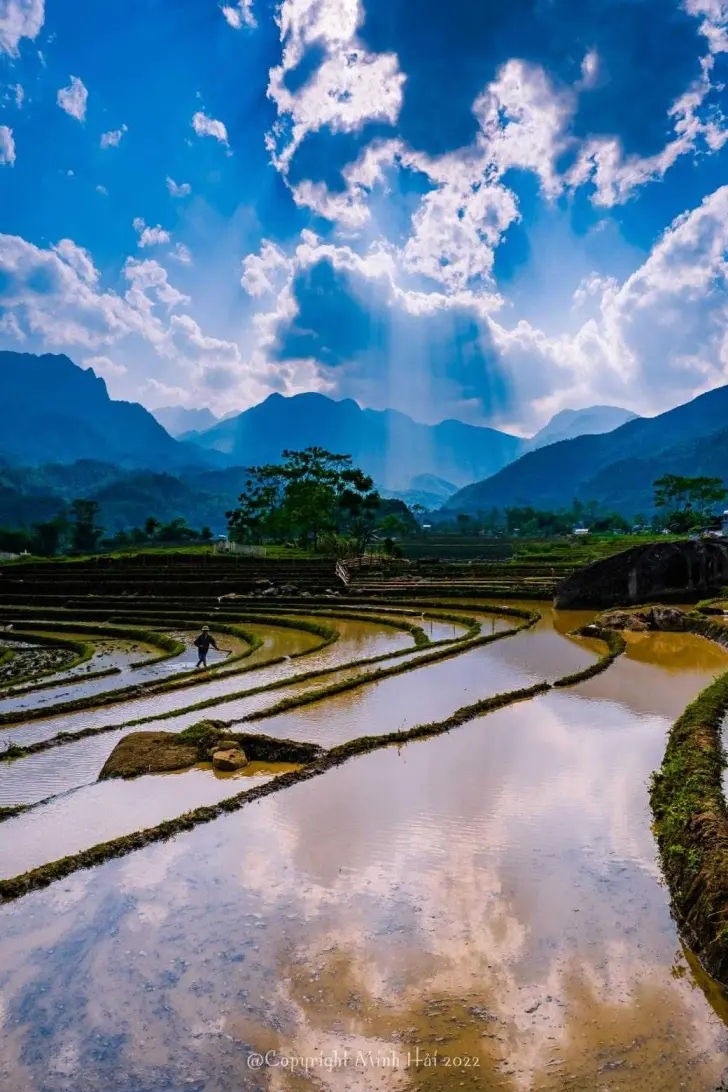
The landscape here tells a story of human adaptation and natural grandeur. Steep mountain slopes have been transformed into cascading rice terraces that shift in color throughout the year, from bright emerald during planting season to rich gold at harvest time. The surrounding peaks of Khau Song and Khau Than create a protective barrier that gives the valley its distinctive microclimate and sheltered atmosphere.
Local Thai and Hmong communities have called this valley home for generations, maintaining traditional ways of life that remain visible in daily activities. Their wooden stilt houses dot the hillsides, colorful traditional dress appears at local markets, and age-old festivals mark the agricultural calendar. These cultural elements aren’t staged for visitors but represent genuine continuation of heritage passed down through centuries.
Beyond scenery and culture, Tu Le Valley has gained recognition for agricultural specialties that reflect the region’s fertile soil and favorable growing conditions. Tu Le green rice, harvested young and flattened to create a distinctive texture, stands out as a local delicacy.
The fragrant mountain sticky rice produced here carries a reputation that extends well beyond Yen Bai Province, drawing food enthusiasts alongside landscape seekers.
Why Riders Love Tu Le Valley: 5 Compelling Reasons
Every motorbike route through Vietnam’s northern mountains offers distinct experiences, and the journey to Tu Le Valley stands out for several clear reasons. Here’s what makes this destination worth including in your riding itinerary:
Visual splendor of mountain landscapes
The valley nestles among some of Northwest Vietnam’s most imposing peaks, including Khau Song, Khau Than, and the famous Khau Pha. Massive terraced rice fields dominate the landscape, transforming with seasonal rhythms that shift the entire color palette. During growth periods, vibrant green covers the hillsides. At harvest, golden yellow takes over, creating the scenes that fill travel photography collections.
Mountain mist frequently settles into the valley during early morning and late afternoon, adding atmospheric layers that make the landscape feel almost otherworldly. The combination of agricultural engineering, natural topography, and changing weather creates visual interest that holds attention whether you’re actively riding or simply sitting with a cup of local tea.
- Check out Ha Giang motorbike tours from Hanoi
Exhilarating mountain road experience
The approach to Tu Le Valley follows winding mountain roads that challenge riders while delivering consistent scenic rewards. These routes curve through elevation changes, hug cliff edges, and open onto panoramic viewpoints where the entire valley spreads out below. Each turn brings new perspectives, whether tight hairpins that demand focused riding or sweeping corners that let you open the throttle slightly.
The roads aren’t technically extreme compared to some routes in the region, but they provide enough variation to keep experienced riders engaged while remaining accessible to those with moderate mountain riding experience. The journey becomes as memorable as the destination itself, with countless natural stopping points for photos or simply taking in the views.
Deep cultural connections with Thai and Hmong people
The valley maintains living cultural traditions that go beyond surface-level tourist experiences.
Thai and Hmong communities continue daily life patterns established over generations, creating opportunities for genuine cultural exchange. Traditional stilt houses built using local materials and time-tested techniques still serve as primary residences. Colorful embroidered clothing appears not just at festivals but in everyday settings.
Local handicrafts, traditional music, and preparation methods for regional foods all remain active practices rather than museum pieces. Visitors who spend time in homestays or simply wandering through villages encounter these cultural elements naturally, creating connections and understanding that packaged tourist experiences rarely deliver.
Tranquil atmosphere away from mass tourism
Unlike Vietnam’s heavily visited destinations where crowds and commercialization can overwhelm the experience, Tu Le Valley retains an untouched quality that appeals to travelers seeking authenticity. The valley sees a steady stream of visitors, particularly during harvest season, but numbers remain manageable and the atmosphere stays peaceful.
You can watch local farmers working terraced fields without competing for viewing space. Homestays offer quiet evenings with genuine family interactions rather than managed entertainment. The overall pace feels slow and restorative, providing contrast to Vietnam’s bustling cities or overcrowded beach towns. Whether enjoying fresh mountain air on a homestay porch or walking narrow paths between rice terraces, the valley offers space to decompress and simply be present in the moment.
Exceptional local cuisine and specialties
Food enthusiasts find compelling reasons to visit Tu Le Valley beyond the scenery. The region’s signature sticky rice, grown in nutrient-rich mountain soil and prepared using traditional methods, carries distinctive flavor and texture that sets it apart from versions found elsewhere in Vietnam.
Tu Le green rice offers a unique taste experience, with its young harvest creating particular sweetness and delicate consistency.
Local homestays serve home-cooked meals featuring valley-grown ingredients prepared using recipes passed through family lines. From simple morning meals of sticky rice with sesame salt to elaborate evening spreads featuring mountain vegetables and locally raised meat, the culinary dimension adds another layer of richness to any visit. These aren’t restaurant recreations but authentic home cooking that reflects genuine regional food culture.
Ideal Seasons for Visiting Tu Le Valley by Motorbike
Timing your ride to Tu Le Valley by motorbike significantly impacts the overall experience, as both landscape appearance and road conditions shift with seasonal patterns. Understanding these variations helps you choose the period that best matches your priorities and riding comfort level.
Peak Season: Harvest Time (Late September – Early November)
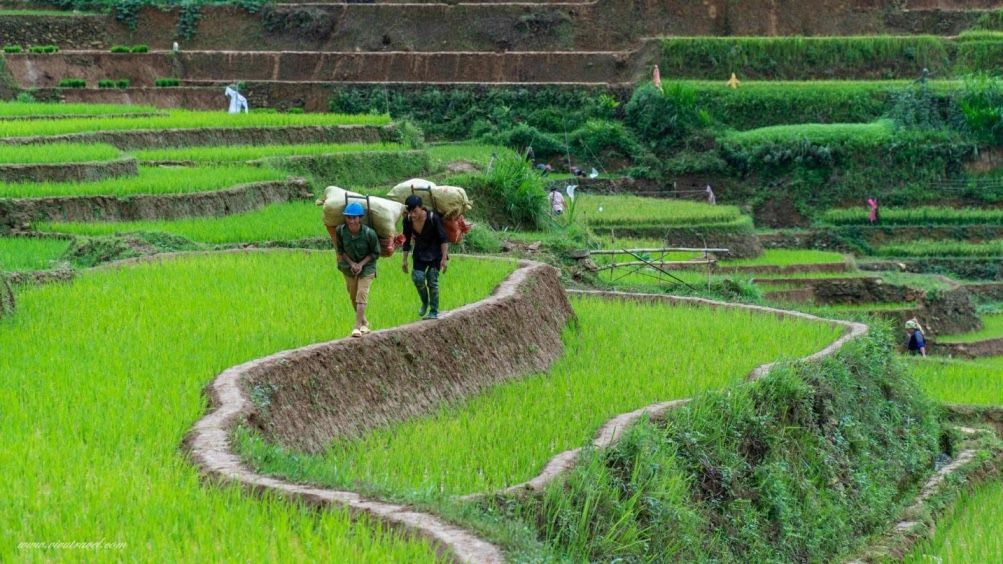
The harvest period from late September through early November attracts the highest visitor numbers for clear reasons. During these months, Tu Le Valley transforms into a golden spectacle as rice reaches maturity across the terraced hillsides. The visual impact during this window creates the iconic images that define the destination in travel media. Sunlight hitting ripe rice fields produces a warm, luminous quality that photographers particularly prize.
Weather conditions during harvest season generally favor motorbike travel. Temperatures drop from summer peaks, creating comfortable riding conditions in the 18-25°C range. Rainfall decreases significantly compared to summer months, meaning clearer skies and better visibility along mountain roads. The combination of dry conditions and moderate temperatures makes this period ideal for extended riding days, frequent photo stops, and exploration of surrounding areas including Khau Pha Pass and neighboring valleys.
Road conditions reach their best during these months, with surfaces dry and well-maintained following the rainy season. The lack of wet weather means better traction through curves and safer navigation of steeper sections. This window also aligns with harvest activities, allowing visitors to observe and sometimes participate in traditional rice gathering methods that local communities have practiced for generations.
Alternative Season: Green Rice Period (May – June)
The months of May and June offer a completely different visual experience that many riders actually prefer over the famous harvest season. During this green rice period, Tu Le Valley showcases vibrant emerald terraces as new rice plants establish themselves across the slopes. The fresh, bright color creates striking contrast against dark mountain soil and blue sky, producing images with different character than golden harvest photos.
This period sees noticeably fewer visitors compared to peak season, creating quieter conditions for those who value solitude and undisturbed exploration. Early morning mist appears more frequently during these months, settling into the valley and creating atmospheric conditions that add mystery and depth to the landscape. Temperatures remain comfortable for riding, typically ranging from 20-28°C, though afternoon heat can build more than during autumn months.
The green rice season also marks various agricultural activities as farmers tend young plants, maintain water levels in paddies, and prepare for the growing months ahead. These activities provide cultural insight different from harvest observations, showing the full agricultural cycle rather than just its climax. For riders seeking a more relaxed journey through Yen Bai’s mountainous landscape without peak season crowds, May and June deliver excellent experiences.
Considerations for the Riding in Rainy Months (July – August)
Tu Le Valley remains accessible throughout the year, but the rainy season from July through August presents specific challenges that require careful consideration. During these months, precipitation increases significantly, with frequent afternoon downpours and occasional multi-day wet periods. Road surfaces become slippery, particularly on mountain sections where drainage may be limited. Visibility can drop dramatically during rain events, making navigation more difficult and reducing the visual rewards that motivate many visits.
Riders who choose to travel during this period should adjust expectations and riding approach accordingly. Slower speeds, increased following distance, and conservative line choices become essential for safe navigation. Waterproof gear moves from optional to mandatory, and flexible itineraries that accommodate weather delays prove valuable.
Checking local weather forecasts before departure and monitoring conditions during the journey helps avoid the worst conditions.
That said, some riders specifically seek out the rainy season for its unique atmosphere and dramatically reduced visitor numbers. The valley takes on lush, saturated colors during wet months, and the constant water flow through terraced fields creates visual and audio elements absent during drier periods. For experienced riders comfortable with wet conditions who prioritize solitude over perfect weather, July and August can work well.
Overall, visiting Tu Le Valley during either the harvest season or green rice season offers the best balance of beautiful scenery, safer road conditions, and rewarding motorbike adventure through northern Vietnam. Your choice between these periods depends mainly on whether you prefer golden fields with more visitors or green terraces with quieter conditions.
What to Do in Tu Le Valley: Activities and Experiences
Whether drawn by dramatic landscapes or authentic cultural encounters, Tu Le Valley provides varied experiences that extend beyond simple sightseeing. Here are the essential activities that help you fully engage with this highland destination:
Photography at the Terraced Fields
The rice terraces themselves form the valley’s main attraction, offering endless composition opportunities throughout the day. Early morning provides the most dramatic light as sunrise illuminates the eastern slopes while mist still clings to lower elevations.
Late afternoon delivers golden hour conditions that enhance the natural colors, whether green or gold depending on season. Walking the narrow paths between terraced levels gives you diverse perspectives, from wide landscape shots to detailed close-ups of rice plants and irrigation systems. The changing light throughout the day means you can revisit the same location multiple times and capture completely different images.
Beyond formal photography, simply observing the terraces as weather and light shift creates memorable quiet moments that define the valley experience.
See the harvest time and join locals
During September, October, and early November, active harvest work takes place across the terraced fields. Many local families welcome visitors who express genuine interest in learning traditional harvest methods. You can join farmers in cutting rice stalks, bundling them for transport, and understanding the labor-intensive process that transforms green shoots into golden grain ready for threshing. The physical work provides direct connection to agricultural traditions while creating appreciation for the skill and effort required.
The cool, fresh mountain air makes outdoor work comfortable during these months. The distinctive fragrance of ripe rice fills the valley, creating a sensory experience that photographs cannot capture. These participatory moments generate deeper understanding of local life than any guided tour could provide.
Cultural Immersion with Local Farmers
Beyond harvest activities, spending time with Thai and Hmong families who farm the valley offers cultural exchange that feels organic rather than staged. Many homestays facilitate these connections naturally, with shared meals, evening conversations, and simple daily activities creating opportunities for interaction.
You might help with morning chores, observe traditional textile work, or simply sit with family members as they prepare meals using local ingredients and time-tested recipes. These encounters work best when approached with genuine curiosity and respect rather than a checklist mentality. The valley’s relatively limited tourism development means most interactions retain authenticity, with families sharing their actual lives rather than performing for visitors.
Hot Spring Relaxation
Tu Le’s hot springs provide welcome relief after long riding days, particularly during the cooler months from October through March. The natural thermal waters emerge at comfortable temperatures that soothe tired muscles without being uncomfortably hot.
Facilities range from basic local setups to slightly more developed options, with most maintaining simple, no-frills character that matches the valley’s overall atmosphere. Visiting during early winter combines the warmth of the springs with crisp mountain air, creating pleasant contrast. The springs work well as an end-of-day activity, helping you unwind and reflect on the day’s riding and exploration.
The peaceful setting, often with mountain views, adds to the restorative quality beyond just the water’s physical benefits.
Village Walks and Market Visits
Taking time to explore Tu Le Valley’s small villages on foot reveals details that pass by too quickly from a motorbike. Walking the narrow lanes between stilt houses, you notice architectural details, observe daily life patterns, and sometimes encounter spontaneous conversations with residents. Local markets, when timed right, showcase regional produce, traditional foods, and handicrafts in authentic settings.
These aren’t tourist markets but actual community gathering places where locals shop, socialize, and conduct business. The slower pace of walking creates opportunities for genuine observation and occasional interaction, building your understanding of how life actually functions in these mountain communities.
Tu Le Valley Travel Essentials: Safety and Cultural Tips
Thoughtful preparation enhances your Tu Le Valley experience while ensuring safe and respectful interaction with both the landscape and local communities. Consider these practical guidelines as you plan your journey:
Safety First: Navigating Mountain Roads
The roads leading to Tu Le wind through mountainous terrain that demands focused attention and appropriate riding approach. Routes feature numerous curves, elevation changes, and sections where the roadway hugs steep slopes. Surface conditions vary, with some stretches showing wear from weather and heavy use. Before departure, verify your motorbike’s mechanical condition, paying particular attention to brakes, tires, and lights. These mountain roads aren’t the place to discover mechanical issues.
Proper safety equipment moves from recommended to essential on these routes. A quality helmet, protective jacket, gloves, and sturdy footwear provide critical protection if conditions deteriorate or unexpected situations arise. During rainy season or early morning rides when mist reduces visibility, additional lighting and reflective elements increase your visibility to other road users. Allow extra time for the journey rather than rushing, as the roads reward relaxed pacing that lets you enjoy views while maintaining safe speeds through technical sections.
Accommodation Choices: Homestay Recommendations
Staying in a local homestay transforms a simple overnight stop into a cultural experience that adds significant value to your visit. Thai and Hmong families throughout the valley offer basic but comfortable accommodation in their traditional stilt houses.
These homestays typically provide simple sleeping areas, shared facilities, and home-cooked meals featuring local ingredients and traditional preparation methods. The experience emphasizes authentic interaction over luxury amenities.
Choosing a homestay means accepting that conditions differ from hotels or guesthouses. Hot water may be limited, electricity can be intermittent, and privacy levels vary.
However, these minor inconveniences pale next to the benefits of genuine family interaction, authentic meals, and the opportunity to observe daily life up close. Booking in advance during peak season prevents disappointment, as popular homestays fill quickly. During quieter periods, arriving without reservations often works fine, allowing you to select accommodation after seeing the space and meeting the family.
Packing Smart: Clothing and Gear
Mountain weather in Yen Bai Province shows more variation than coastal or delta regions, requiring layered clothing approach rather than single outfit choices. Temperatures can drop significantly from afternoon to evening, particularly from October through March. Bringing a warm layer for mornings and evenings prevents discomfort during these cooler periods. A light rain jacket proves valuable even during dry season, as mountain weather can change quickly and unexpected showers occur.
Comfortable walking shoes become essential for exploring rice terraces and village paths, which often feature uneven surfaces, muddy sections, and steep inclines. Sandals or dress shoes won’t cut it for this terrain. Sun protection including hat, sunscreen, and sunglasses matters despite the mountain setting, as UV exposure remains high at these elevations.
A small daypack for carrying water, snacks, and extra layers during day trips from your accommodation base adds convenience and preparedness.
Cultural Respect: Community Interaction Guidelines
Visiting Tu Le Valley means entering communities where people maintain traditional lifestyles and cultural practices that deserve respectful engagement. When photographing people, always ask permission first through gesture or basic Vietnamese phrases.
Many locals don’t mind photos but appreciate being asked rather than treated as scenery. Some individuals, particularly older community members, may decline, and that preference deserves respect.
Traditional customs around homes, sacred sites, and community spaces vary among Thai and Hmong groups. Following local guidance about where you can walk, what you can photograph, and appropriate behavior in different settings ensures positive interactions.
Dressing modestly, particularly when visiting villages or participating in community activities, shows consideration for local values. These aren’t restrictive rules but basic courtesy that facilitates genuine exchange and leaves positive impressions that benefit future visitors.
Local Highlights: Hot Springs and Regional Cuisine
Don’t leave the valley without experiencing its signature attractions beyond the rice terraces. The hot springs offer therapeutic benefits and relaxation that perfectly complements active days of riding and exploring.
Timing a visit during cooler months enhances the experience, as the warm water contrasts pleasantly with crisp air temperatures. Most springs maintain rustic character rather than resort-style development, preserving authentic atmosphere.
Tu Le’s culinary specialties deserve equal attention with the landscapes. The sticky rice produced here carries distinctive flavor and texture that sets it apart from versions found elsewhere in Vietnam. Green rice, when in season, provides unique taste experience worth seeking out.
Homestay meals offer the most authentic preparation methods and family recipes. Taking time to understand the ingredients, growing methods, and traditional preparation creates food appreciation that goes beyond simple eating. These culinary elements represent cultural expression as significant as textiles or architecture, deserving engaged attention.
- Check out Vietnam private tours
Bottom line: Riding to Tu Le Valley on northwest motorbike in Vietnam
Positioned perfectly along Northwest Vietnam’s premier riding routes, Tu Le Valley offers a rich combination of natural beauty and cultural authenticity. For riders seeking memorable experiences beyond the typical tourist trail, a journey to Tu Le Valley provides challenging roads, stunning vistas, and genuine connections with mountain communities.
The valley works well as a standalone destination for shorter trips or as a strategic stopover on longer routes through Yen Bai and surrounding provinces. Whether you visit during golden harvest season or prefer the lush green period, the experience delivers rewards that extend well beyond the ride itself.
Contact Vietnamese Motorbike Tours for detailed route planning, safety guidance, and insider recommendations that help you make the most of your Northwest Vietnam motorbike adventure through this exceptional highland valley.
Common Questions About Riding to Tu Le Valley
Where exactly is Tu Le Valley and how do I get there?
Tu Le Valley is located in Van Chan District, Yen Bai Province, approximately 280 kilometers northwest of Hanoi. The journey typically takes 6-8 hours by motorbike depending on your pace and stops, making it suitable for a 2-3 day motorbike trip when combined with exploration time.
The main route from Hanoi follows Highway 32 through Yen Bai city, then continues to Van Chan before the final approach through Khau Pha Pass, which serves as both the gateway and one of the journey’s highlights. The well-marked route sees regular motorbike traffic during peak seasons, making navigation straightforward for riders familiar with mountain roads.
What makes Tu Le Valley different from other destinations in Northwest Vietnam?
Tu Le Valley distinguishes itself through several unique characteristics. The terraced rice fields here rank among Vietnam’s most extensive and photogenic, covering vast hillsides with cascading agricultural artistry. The valley’s position at the base of one of the “four great mountain passes” creates dramatic scenery while maintaining accessibility.
Unlike some heavily touristed destinations, Tu Le retains an authentic, uncrowded atmosphere where local life continues naturally rather than adapting primarily for visitors.
The combination of challenging motorbike routes, pristine landscapes, genuine cultural encounters, and famous local specialties like Tu Le green rice creates a distinctive experience that balances adventure with authenticity in ways few other destinations manage.
Which months provide the best conditions for visiting Tu Le Valley?
The optimal time for most riders falls between late September and early November, when harvest season transforms the terraces into golden landscapes. During these months, weather conditions favor motorbike travel with dry roads, clear skies, and comfortable temperatures between 18-25°C.
An excellent alternative period runs from May through June, when the rice fields display vibrant green color and visitor numbers decrease significantly. This green rice season offers equally beautiful scenery with quieter conditions and pleasant temperatures.
Both periods provide safer riding conditions compared to the rainy months of July and August, when wet roads and reduced visibility create challenges that experienced riders can manage but beginners might find stressful.
What cultural experiences can I expect in Tu Le Valley?
Cultural engagement in Tu Le Valley centers on authentic interaction with Thai and Hmong communities who maintain traditional lifestyles. Staying in family-run homestays provides the most immersive experience, with shared meals, evening conversations, and observation of daily activities creating natural cultural exchange.
You can witness traditional textile work, participate in harvest activities during appropriate seasons, and experience festivals and customs that follow the agricultural calendar.
These interactions feel genuine rather than staged because tourism remains secondary to farming in the valley’s economy. The traditional stilt house architecture, colorful ethnic dress, and preservation of ancestral customs create cultural depth that goes beyond surface-level tourist attractions, offering real insight into highland life in northern Vietnam.
How challenging are the motorbike roads to Tu Le Valley?
The roads to Tu Le Valley feature winding mountain sections that require solid riding skills without being extremely technical. The route includes numerous curves, elevation changes, and sections where the road follows steep hillsides, particularly around the passes. Surface quality varies from well-maintained asphalt to sections showing weather wear.
Experienced riders familiar with mountain roads will find the journey rewarding but not overly difficult. Riders with moderate experience can handle these roads by maintaining conservative speeds and riding within their comfort level. The key is allowing plenty of time rather than rushing, using proper safety gear, and adjusting pace to conditions.
During dry season, conditions favor confident navigation, while rainy periods demand extra caution and slower speeds for safe travel.
How long should I plan to spend in Tu Le Valley?
Most visitors find that 2-3 days provides sufficient time to experience the valley without feeling rushed. This allows one full day for riding to Tu Le, a complete day for exploring the terraces, visiting villages, soaking in hot springs, and engaging with local culture, plus travel time for the return journey or continuation to other destinations.
During harvest season when activities peak, an extra day lets you participate in rice gathering and fully appreciate the landscape at different times of day. Riders on longer Northwest Vietnam motorbike tours often allocate 1-2 nights in the valley as a strategic stopover between other destinations, which provides adequate time to enjoy the scenery and rest after challenging passes while maintaining forward momentum on extended routes.