Vietnam unfolds as a country of striking contrasts, from mist-covered northern passes and terraced valleys to sunlit coastal highways and lush southern islands. Finding the best time to ride a motorbike in Vietnam shapes every part of the journey, influencing road conditions, scenery, and riding comfort.
Each region transforms with the seasons: spring reveals fresh colors and mild air, summer highlights coastal routes, autumn brings golden highlands, and winter wraps mountain roads in soft fog. This guide from Vietnamese Motorbike Tours breaks down regional weather patterns, helping riders choose ideal months for smooth roads, dramatic landscapes, and deeply local travel experiences.
How Weather Affects Motorbike Travel Across Vietnam
Weather strongly shapes every motorbike ride in Vietnam, influencing road conditions, visibility, and overall riding comfort. Spanning from north to south, the country crosses several climate zones, ranging from the four-season rhythm of the North to the sun-drenched Central coast and the tropical warmth of the South. Choosing the right season helps riders enjoy safer routes, clearer views, and landscapes at their most striking.
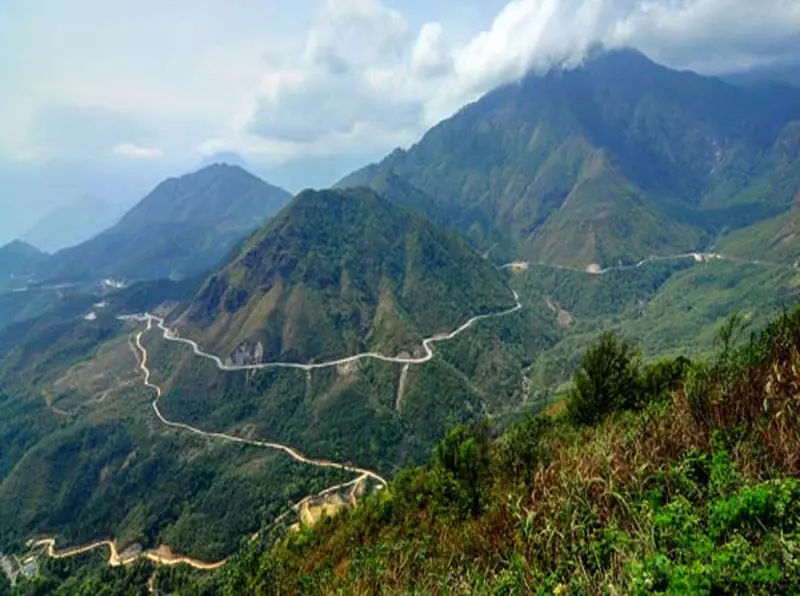
In Northern Vietnam, spring and autumn stand out for motorbike travel. Mild temperatures, low rainfall, and vivid scenery define these months, with mountain roads framed by blooming peach blossoms or glowing rice terraces. During winter, dense fog, damp air, and slick surfaces can add difficulty on high passes such as Ma Pi Leng and O Quy Ho, where conditions change quickly.
Central Vietnam follows a tropical monsoon pattern, marked by hot, dry summers and heavier rains later in the year. From March to August, coastal routes between Da Nang and Nha Trang offer clear skies, steady conditions, and long ocean views that reward extended days on the road.
Southern Vietnam remains warm throughout the year, making it a popular riding region in all seasons. From May to October, brief but intense rain showers are common, especially in the afternoons, which makes proper rain gear and water-resistant packing essential for uninterrupted travel.
Best Motorbike Routes in Vietnam by Season
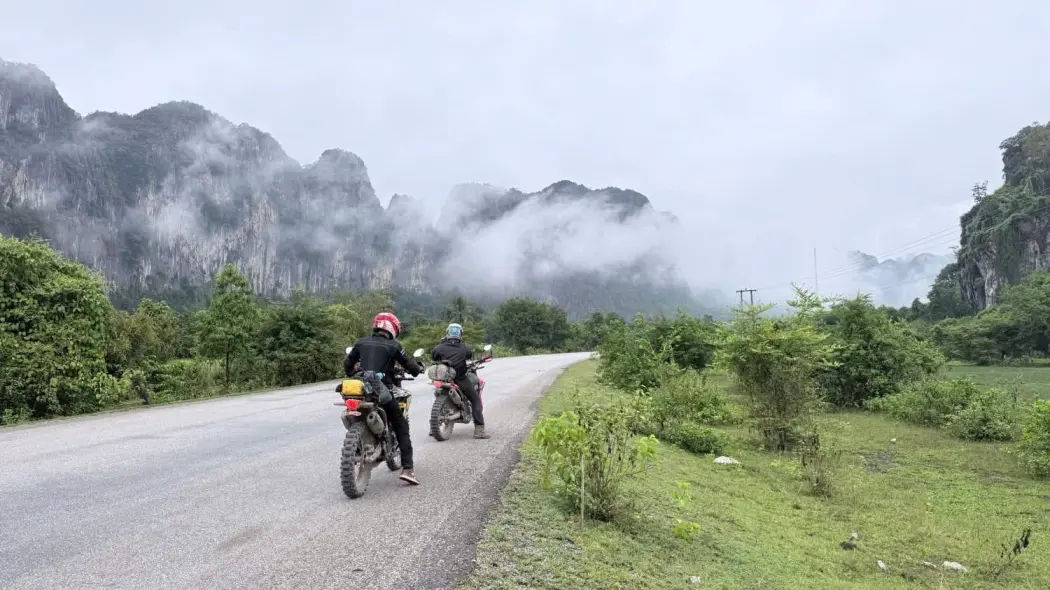
Each season in Vietnam reveals a distinct riding atmosphere, and choosing the right route at the right time transforms a motorbike journey into a lasting memory. From highland passes to coastal highways, seasonal conditions shape scenery, comfort, and road quality.
Below are carefully selected routes from what I have experienced during years riding across the country, designed for riders who value open roads, changing landscapes, and immersive travel experiences.
Spring – Northern Vietnam in Bloom (January – March)
Spring brings Northern Vietnam to life with soft colors and refreshing air, making it one of the most rewarding periods for mountain riding. Routes such as Hanoi – Moc Chau – Ta Xua or Ha Giang – Dong Van – Ma Pi Leng wind through hillsides covered in peach blossoms, plum flowers, and wild mustard blooms. Cool mornings, gentle sunshine, and light mist create a calm rhythm on the road, ideal for long days of scenic riding.
- Check out Northern Vietnam motorbike tours
Summer – Coastal Rides Along Central Vietnam (April – August)
Summer delivers stable weather and clear horizons along Vietnam’s central coastline, setting the stage for unforgettable coastal journeys. Riding from Da Nang to Quy Nhon and onward to Nha Trang, or following Hue – Lang Co – Vinh Hy – Cam Ranh, rewards travelers with sweeping sea views, quiet beaches, and smooth seaside curves. Early sunrises, warm water, and ocean breezes define this season on the road.
- Check out 14 days Saigon to Hanoi motorbike tours

Autumn – Golden Highlands of the Northwest (September – November)
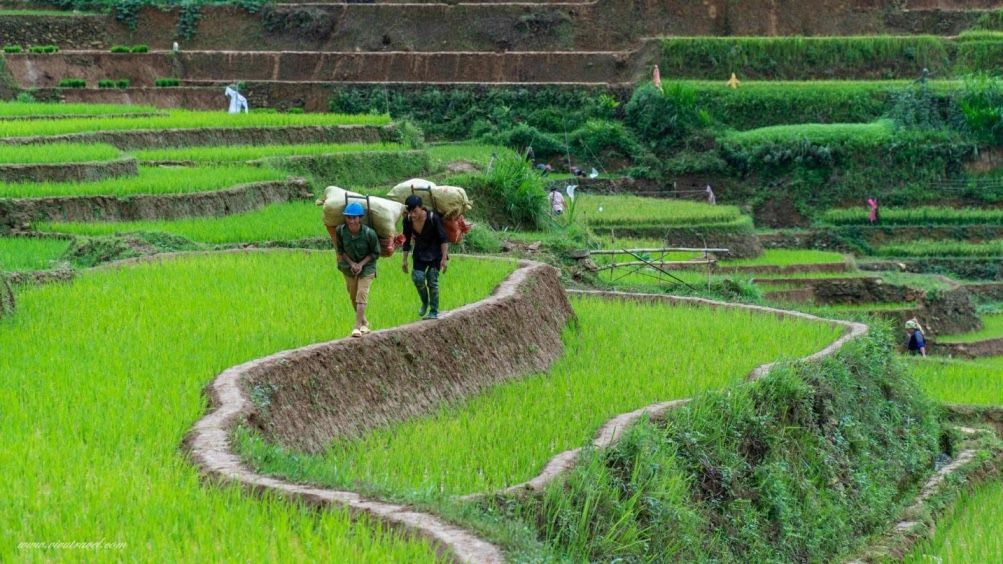
Autumn transforms the northern highlands into a tapestry of gold, making it a standout season for motorbike travel. Routes like Hanoi – Mu Cang Chai – Sa Pa – Hoang Su Phi pass through layered rice terraces glowing under soft sunlight. Cooler temperatures, low humidity, and excellent visibility create ideal riding conditions, especially for those drawn to photography and highland exploration.
Winter – Northern Mists and Southern Sunshine (December – February)
Winter brings contrasting riding experiences across Vietnam. In the North, routes around Ta Xua and Y Ty attract riders seeking cloud-filled valleys and dramatic mountain light. Further south, journeys from Ho Chi Minh City to Vung Tau, Mui Ne, Phan Rang, and onward offer warm air, dry roads, and bright coastal scenery, providing a relaxed and visually rich riding season well into the cooler months.
- Check out Ha Giang motorbike tours
How to Protect Your Motorbike from Vietnam’s tough Riding Conditions
Traveling long distances by motorbike in Vietnam turns your machine into more than transportation—it becomes a reliable partner through changing landscapes and climates. From intense heat in Central Vietnam to sudden mountain rain in the North and salt-heavy coastal air, local conditions can affect performance, comfort, and durability. Understanding how to protect your motorbike helps ensure smooth travel, fewer mechanical issues, and consistent riding confidence across every region.
Inspect and Service Your Motorbike Before the Journey
A thorough inspection before departure is one of the most effective ways to prevent problems on the road. Check brakes, tires, lights, chain tension, oil levels, and spark plugs, especially before multi-day rides through mountains or remote areas. Fresh oil, correct tire pressure, and properly lubricated moving parts reduce wear and help the motorbike handle changing terrain with ease.
Protect Your Motorbike from Heat and Direct Sunlight
Prolonged exposure to strong sunlight can fade paint, weaken rubber components, and stress plastic parts. When parking during midday stops, shaded areas help limit heat damage. In coastal regions, daily wiping removes dust and salt residue that builds up under high temperatures, keeping surfaces clean and mechanical parts functioning smoothly.
Shield Your Motorbike Against Rain and Moisture
Rain and mist are common when riding through highlands or during seasonal weather shifts. Moisture can affect electrical connections and accelerate rust if left unchecked. Using waterproof luggage, seat covers, and drying the bike after rain—especially around the chain, brakes, and joints helps preserve reliability and braking performance throughout the trip.
Prevent Corrosion from Coastal Salt Air
Riding along Vietnam’s coastline offers spectacular views, but salty air can speed up corrosion on metal parts. Rinsing the motorbike with fresh water after coastal rides removes salt residue, while drying and applying protective wax or oil creates a barrier against oxidation. This routine is especially useful for long coastal journeys between beach towns.
Maintain Your Motorbike During Extended Road Trips
On journeys exceeding 1,000 kilometers, regular maintenance keeps the ride predictable and efficient. Mid-trip checks such as oil changes, chain lubrication, bolt tightening, and tire pressure adjustments help maintain fuel efficiency and riding stability. Consistent care allows riders to focus on the road ahead, scenery, and the freedom that defines motorbike travel in Vietnam.

Seasonal Motorbike Trip Preparation Guide for Riding in Vietnam
Vietnam is a favorite destination for motorbike travelers, thanks to landscapes that shift dramatically with the seasons. From fresh spring blossoms to autumn’s golden rice terraces, each time of year offers a distinct riding experience along with specific conditions to prepare for. To keep your journey smooth, comfortable, and safe, Vietnamesemotorbiketours.com shares practical preparation tips tailored to Vietnam’s seasonal changes.
Spring (January – March) marks an ideal starting point for many riders. Cool temperatures, light drizzle, and vibrant scenery define the season, especially in regions like Ha Giang, Moc Chau, and Ta Xua, where peach blossoms, plum flowers, and mustard fields line the roads. Riders should pack a windbreaker, gloves, a multifunctional scarf, and waterproof footwear. A clear visor and lightweight raincoat are also essential, as mist and damp surfaces are common in mountain areas.
Summer (April – August) brings strong sunshine and stable weather, making it perfect for coastal journeys. Routes connecting Da Nang, Quy Nhon, Nha Trang, and Phu Yen offer long seaside stretches, fishing villages, and open horizons. To handle the heat, riders should prepare UV-protective clothing, breathable gloves, face coverings, sunglasses, and sunscreen. Early morning departures help avoid peak heat and maintain comfort on longer riding days.
Autumn (September – November) is often considered the most visually striking season for motorbike travel in Vietnam. Cooler air, low humidity, and clear skies enhance rides through Mu Cang Chai, Hoang Su Phi, and Ha Giang, where rice terraces glow in gold and buckwheat flowers color the hillsides. A light jacket, sturdy riding boots, anti-slip gloves, and waterproof storage for electronics are recommended, as fog can still settle in highland valleys at dawn.
Winter (December – January) appeals to riders seeking dramatic scenery and crisp mountain air. Northern regions such as Sa Pa, Moc Chau, and Ta Xua experience cold temperatures, dense fog, and occasional frost at higher elevations. Warm layers, insulated gloves, high-ankle boots, wool scarves, and heat packs help maintain comfort on exposed roads. Riding with headlights on in low visibility and maintaining smooth braking techniques is especially important during this season.
Bottom line: The ideal time for riding in Vietnam (North to South)
Finding the best time for riding a motorbike in Vietnam is more than a way to travel, it’s an open-road experience shaped by freedom, emotion, and discovery. Each season reveals a different side of the country, from flower-filled hills in Moc Chau to sunlit coastal roads in Central Vietnam and the glowing rice terraces of the Northwest highlands.
With a right tour organizer, every motorbike journey will be designed to feel smooth, flexible, and rewarding. A well-maintained fleet, adaptable itineraries, experienced local guides, and 24/7 on-road support help riders explore Vietnam with confidence, comfort, and complete peace of mind in any season. Ready for an adventure, check out Vietnam motorbike tour and plan your ride in the dragon land.