
Can You Ride a Motorcycle in Vietnam Without an International License?
Vietnam draws riders from every corner of the world, and it is easy to understand why. The roads through Ha Giang, the coastal stretch past Lang Co, the mountain passes cutting through the Central Highlands, these are the kinds of routes that people plan entire trips around.
But before you rent a bike and head out, there is one question that tends to get glossed over in travel forums and glossed over even more by rental shops: do you actually have the legal right to ride here? The answer is more complicated than a simple yes or no, and getting it wrong has consequences that go far beyond a roadside fine.
- Check out best motorbike tours in Vietnam
International Driving License Rules
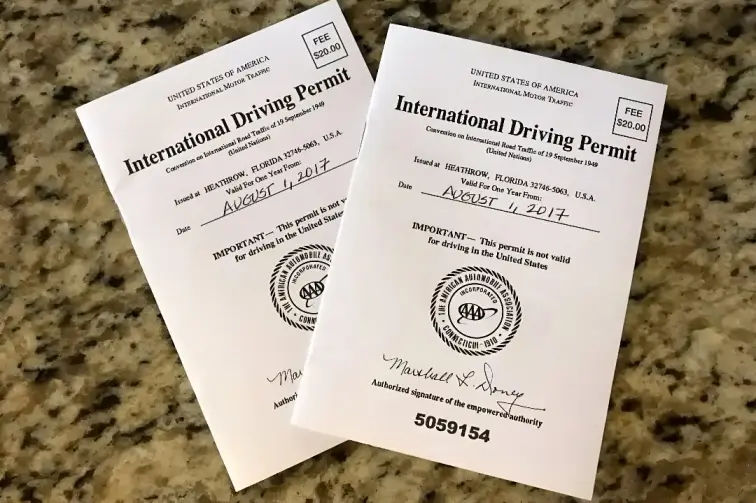
Vietnam is a signatory to the 1968 Vienna Convention on Road Traffic, which means the country does recognize International Driving Permits (IDPs), but with significant nuance that catches most riders off guard. An IDP issued by a country that is also a signatory to the 1968 Convention is technically valid in Vietnam for operating a motorcycle above 50cc.
Vietnam is not a party to the 1949 Geneva Convention, which is the basis for IDPs issued by countries like the United States, Canada, and Australia. This creates a legal gap that puts many Western tourists in a complicated position: their IDP may not be recognized as valid under Vietnamese traffic law.
Even for countries where the IDP is theoretically accepted, it must be accompanied by your original home-country license at all times. An IDP alone is not sufficient. Police checkpoints, which are routine on major highways and popular tourist routes like the Hai Van Pass and the Ha Giang Loop, frequently check for both documents together. Carrying only an IDP without the underlying license is treated the same as having no license at all.
Vietnam License Requirements
To legally operate a motorcycle with an engine displacement of 50cc or above in Vietnam, a rider must hold either a valid Vietnamese motorcycle license or a recognized foreign license paired with a valid IDP from a 1968 Convention country. Vietnamese licenses for motorcycles fall under two main categories: the A1 license, which covers motorcycles from 50cc to 175cc, and the A2 license, which is required for anything above 175cc.
For foreign nationals staying in Vietnam long-term, obtaining a Vietnamese motorcycle license is possible by passing both a written theory test and a practical riding test, and the written exam is available in English. For short-stay tourists, the process is not practical given the time it takes to schedule, study, and complete.
The legal framework also distinguishes between motorbikes under 50cc, which technically do not require a license under Vietnamese law, and everything above. This is why many rental shops push 49cc scooters to tourists looking to ride without documentation. That said, 49cc scooters are increasingly rare, and many scooters labeled as such actually exceed that displacement when tested. Riding anything with meaningful power on Vietnamese roads without proper documentation is a legal exposure, not just a technicality.

Risks of Riding Without a License
Riding without a valid license in Vietnam is not a minor administrative issue. It carries real financial, legal, and physical consequences. On the enforcement side, fines for operating a motorcycle without a license range from 500,000 VND to 2,000,000 VND (roughly $20 to $80 USD), and police have the authority to confiscate the vehicle on the spot.
In tourist-heavy areas like Da Nang, Hoi An, and Ha Giang, there are documented patterns of targeted checkpoints on roads frequented by foreign riders. Beyond the fines, being caught without a license complicates everything downstream. If you are involved in a traffic accident, even one where you are not at fault, the absence of a valid license gives the responding authorities grounds to hold you liable regardless of the circumstances.
Vietnam’s traffic fatality rate is among the highest in Southeast Asia, and accidents involving unlicensed foreign riders face a distinctly unfavorable legal treatment. Hospitals require proof of identity and insurance coverage before providing non-emergency treatment, and being unlicensed at the time of an accident directly affects what your insurer will and will not cover. The risk is not hypothetical. It plays out regularly, and the consequences extend well beyond a roadside fine.
Insurance Limitations
Most travel insurance policies contain explicit exclusions for incidents that occur while operating a motorized vehicle without a valid license in the country where the incident takes place. This is not fine print. It is standard language across major travel insurance providers including World Nomads, Allianz, AXA, and most credit card travel protection plans.
If you are riding in Vietnam without a license that is legally recognized under Vietnamese law and you are involved in an accident, your insurer has the right to deny your claim entirely. That means medical costs, emergency evacuation, repatriation, and third-party liability all become out-of-pocket expenses.
Serious injuries requiring hospital treatment in Vietnam, particularly in rural provinces along the Ha Giang loop or in the Central Highlands, can easily reach tens of thousands of dollars once evacuation is factored in. Some insurers will cover riding on a vehicle under 50cc without a license, but even this has grey zones depending on how the policy is worded and how displacement is verified after the fact.
Before renting any motorcycle in Vietnam, read your policy’s exact language around motorized vehicles, license requirements, and cc limits, and get written confirmation from your insurer if anything is ambiguous.
Rental Company Policies
The motorcycle rental market in Vietnam operates across a wide spectrum when it comes to license verification. Small local rental shops, common in cities like Hanoi, Hoi An, and Da Lat, rarely ask for a license at all. They take a passport copy, a cash deposit, and hand over the keys.
This convenience is deliberately appealing, but it creates a false sense of security. The rental shop’s willingness to rent without verifying a license does not transfer any legal protection to the rider. If anything goes wrong, the absence of a rental agreement that confirms license verification works against the renter in any subsequent legal or insurance dispute.
Reputable operators, particularly those catering to longer adventure routes or renting higher-displacement bikes, are increasingly asking for license documentation, both because it limits their liability and because it is becoming part of standard practice for any rental covered by a basic insurance policy. For guided tours and organized motorcycle adventures, license requirements are enforced as a formal part of the booking process. As Vietnam’s tourism infrastructure matures, the expectation of proper licensing is moving in one direction, and the casual no-questions approach of budget rentals is becoming a higher-risk gamble for the rider.
Legal Alternatives for Tourists
Tourists who want to explore Vietnam by motorcycle without the licensing complexity have several legitimate options worth knowing before the trip.
The most straightforward is renting a 49cc automatic scooter, which under Vietnamese traffic law does not require a motorcycle license for riders who hold a valid car license from their home country, though availability is limited and verification of actual displacement is worth confirming.
Another option is booking guided motorcycle tours where a local guide leads the route and handles all interaction with authorities. This works especially well for iconic routes like Ha Giang, the Hai Van Pass, or the coastal road south from Da Nang, where the logistics and terrain benefit from local knowledge anyway.
For riders who want the independent experience, obtaining an IDP before departure from a country that is a 1968 Vienna Convention signatory, such as Germany, France, Japan, or South Korea, and pairing it with a home-country motorcycle license, is the cleanest path to legal operation. Riders from the US, UK, Canada, or Australia can engage a Vietnamese attorney or driving school to navigate the local license application process if staying for longer than a few weeks.
Hiring a xe om driver or using a car rental with a driver for multi-day journeys is an underrated option that removes legal exposure entirely while still providing access to remote areas. Each of these paths gets you on the road legally, and that matters the moment something goes wrong.
Frequently Asked Questions
Is an international driving permit required in Vietnam?
It depends on where your IDP was issued. Vietnam recognizes IDPs from countries that are signatories to the 1968 Vienna Convention, but not those issued under the 1949 Geneva Convention, which covers the US, UK, Canada, and Australia. If your IDP falls under the 1968 Convention, it is required alongside your original home-country license. One without the other is not enough.
What happens if you ride without a valid license?
You face fines between 500,000 VND and 2,000,000 VND on the spot, sometimes even more.
Does riding without a license affect travel insurance coverage?
Yes, directly. Most travel insurance policies void coverage for any incident that occurs while operating a motorized vehicle without a valid license in the country where the incident happens. That includes medical treatment, emergency evacuation, and third-party liability claims. Riding unlicensed effectively means riding uninsured, regardless of what policy you carry.
The Bottom Line
Vietnam is one of the most rewarding countries in the world to explore by motorcycle, but the legal side of riding here is not something to figure out after you land. The licensing rules are specific, the insurance exclusions are real, and the consequences of getting it wrong range from a fine to a denied medical claim in the middle of nowhere.
Check your IDP validity against the 1968 Vienna Convention before you travel, read your insurance policy word for word, and if your documentation does not hold up, use one of the legal alternatives rather than assuming nothing will happen. The roads here are worth doing properly.
About the author
Hamid has spent years riding motorcycles across some of the most demanding and rewarding roads on the planet, from the mountain passes of Central Asia to the coastal highways of Southeast Asia. He has learned most of what he knows the hard way, which is exactly why he writes the way he does. His goal is straightforward: give riders the honest, practical information they need before they get on the bike, not after something goes wrong. He has helped thousands of riders around the world navigate everything from route planning to legal requirements, gear choices to road conditions. When Hamid gives advice, it comes from the saddle, not a search engine.